How to Choose the Right Solar Energy System for Your Home in 2025
As we approach 2025, the importance of selecting the right solar energy system for your home has never been more critical. With the global solar energy market projected to reach $223 billion by 2026, homeowners face an increasing array of options and technologies. Industry experts emphasize that understanding the complexities of solar systems is essential for making an informed decision. According to Dr. Emily Carter, a renowned energy analyst, “Choosing the right solar energy system can significantly enhance your home's energy efficiency and lead to substantial savings on electricity bills.”
The shift towards solar energy is not only driven by environmental considerations but also by economic factors. Recent studies indicate that the investment in solar energy systems can yield a return on investment of up to 20% in many regions. This figure highlights the financial viability of solar solutions, making them an attractive option for homeowners looking to reduce their reliance on fossil fuels. Understanding the nuances of solar energy technology, government incentives, and installation options will empower consumers to choose systems that best match their energy needs and financial situation.
With the continued advancements in solar technology and decreasing installation costs, the future of residential solar energy systems appears bright. By carefully evaluating your options and consulting with experts in the field, you can make a strategic decision that not only benefits your household but also contributes positively to the environment.
Factors to Consider Before Choosing a Solar Energy System
When selecting the right solar energy system for your home in 2025, several critical factors must be considered to ensure optimal efficiency and cost-effectiveness. First and foremost, understanding your energy consumption pattern is essential. According to the U.S. Energy Information Administration (EIA), the average American household consumed about 877 kWh per month in 2021. Evaluating your monthly utility bills can help you determine how much energy production you will need from your solar system to meet your household demands.
Another crucial factor is the available space for solar panels. The National Renewable Energy Laboratory (NREL) indicates that roof orientation and shading significantly impact solar energy capture. Ideally, solar panels should be installed on south-facing roofs that receive ample sunlight, minimizing obstructions like trees or neighboring buildings. Homeowners should also consider the type of solar technology that best suits their needs, as different systems, such as monocrystalline and polycrystalline panels, offer varying efficiency rates and costs.
Lastly, financial incentives and the cost of the solar installation play a vital role in your decision-making process. As per a report from the Solar Energy Industries Association (SEIA), the average cost of residential solar systems has decreased by about 70% since 2010, making it more accessible to homeowners. Analyzing local and federal incentives, such as tax credits or rebates, can help maximize your investment and make the transition to solar energy more economical.
Understanding Your Home's Energy Needs and Consumption Patterns
When considering the installation of a solar energy system for your home, understanding your energy needs and consumption patterns is crucial. According to the U.S. Department of Energy, the average American household consumes about 877 kWh per month, which translates to approximately 10,649 kWh per year. This data serves as a foundation for determining the size and capacity of the solar system you might require. To accurately assess your consumption, review your past utility bills and identify trends, such as peak usage times and seasonal fluctuations.
Additionally, a comprehensive energy audit can provide insights into where improvements can be made, potentially leading to a decrease in energy consumption. The National Renewable Energy Laboratory (NREL) suggests that households that implement energy-efficient measures—like proper insulation, LED lighting, and efficient appliances—can reduce their overall energy usage significantly. This reduction not only lowers the cost of the solar energy system needed but also maximizes the benefits of transitioning to renewable energy sources. Armed with this understanding, homeowners can make informed decisions about the size and type of solar energy system most suited to their specific needs, ensuring a successful and efficient integration of solar technology into their daily lives.
Types of Solar Energy Systems Available for Residential Use
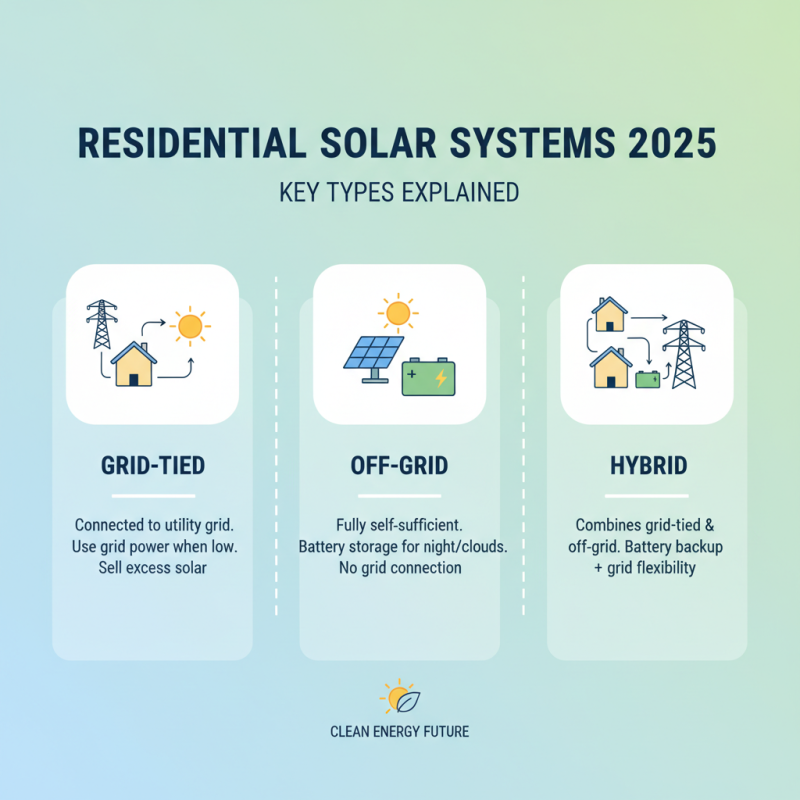
When considering a solar energy system for your home in 2025, it's essential to understand the different types of solar systems available for residential use. The most common options are grid-tied, off-grid, and hybrid solar systems. Grid-tied systems are directly connected to the local electricity grid, allowing homeowners to draw from the grid when solar production is low and sell excess energy back. Off-grid systems, on the other hand, are entirely self-sufficient, utilizing batteries to store energy for use when solar generation is insufficient. Hybrid systems combine the two, providing flexibility and backup power options.
**Tips:** When selecting a solar energy system, assess your energy needs thoroughly. Calculate your average energy consumption and consider future changes, such as the addition of electrical appliances. Additionally, evaluate your local climate and sunlight availability, as these factors will influence the efficiency of your solar panels.
Furthermore, consider the installation space available on your property. Rooftop installations require a south-facing roof with minimal shading, whereas ground-mounted systems need sufficient space and are more flexible in orientation for maximum sunlight exposure. Research local incentives and tax credits that may ease the upfront costs of installation, enabling a more economical transition to solar energy.
Evaluating Installation Costs and Long-Term Savings on Solar Systems
When considering a solar energy system for your home in 2025, evaluating installation costs and long-term savings is crucial. The initial investment for solar panels can be substantial, including the cost of equipment, labor, and any necessary structural modifications. It's essential to get multiple quotes from installation companies and understand what each cost entails.
Additionally, consider installation incentives or rebates available in your area, which can significantly reduce the upfront costs and make solar power more accessible.
Beyond installation costs, it's equally important to analyze the long-term savings associated with solar energy. By calculating your current energy bills and estimating future increases, you can project the savings you'll achieve by switching to solar. Many homeowners find that their monthly savings on electricity bills, coupled with incentives like tax credits, can lead to a full return on investment within a decade or less.
Examining the system's lifespan and efficiency also plays a key role; investing in high-quality components can ensure that your solar energy system remains productive over its intended lifespan, maximizing your financial benefits over time.
Identifying Reliable Solar Energy Providers and Professionals
When considering a solar energy system for your home, identifying reliable solar energy providers and professionals is crucial to ensure a smooth installation and long-term satisfaction. Start by researching local companies that specialize in solar technology. Look for providers that have been in the industry for several years and have a solid reputation within the community. Customer reviews and testimonials can provide insight into the quality of their services and the satisfaction of previous clients. Additionally, consider seeking recommendations from friends or neighbors who have successfully transitioned to solar energy.
It is also essential to verify the credentials of the professionals you are considering. Check for licenses and certifications that demonstrate their expertise in solar installations. A reputable provider should be transparent about their qualifications and willing to answer any questions you may have about their processes. Furthermore, inquire about warranties and maintenance services they offer, as these factors can significantly impact the longevity and efficiency of your solar system. By taking the time to evaluate potential providers carefully, you can find a trustworthy partner to help you harness the power of solar energy effectively.
How to Choose the Right Solar Energy System for Your Home in 2025
| Criteria |
Details |
Importance |
Example Range |
| System Type |
Grid-tied, Off-grid, Hybrid |
High |
N/A |
| Energy Needs |
KWh usage per month |
High |
300 - 1000 KWh |
| Installation Costs |
Total investment including equipment and labor |
Medium |
$10,000 - $30,000 |
| Incentives and Rebates |
Tax credits, local incentives |
High |
Up to 30% savings |
| Solar Provider Reputation |
Customer reviews and ratings |
High |
4-5 stars rating |
| System Warranty |
Duration of warranty on panels and inverters |
High |
10-25 years |
| Installation Timeline |
Duration from signing to completion |
Medium |
1-3 months |
| Maintenance Requirements |
Cleaning, inspections |
Medium |
Annual checks recommended |