How to Choose the Best Solar MPPT Controller for Your System?
The transition to renewable energy sources is rapidly gaining momentum. In 2022, solar energy accounted for about 23% of global electricity generation, according to the International Energy Agency. This growth is largely driven by advancements in solar technology, particularly the Solar MPPT controller. These devices maximize energy capture by optimizing the voltage and current from solar panels.
Choosing the right Solar MPPT controller can significantly impact the efficiency of your solar system. With systems ranging from simple home setups to complex commercial installations, the variety of controllers available can be overwhelming. It's essential to consider factors such as input voltage, output current, and tracking efficiency. Reports indicate that a proper MPPT controller can improve energy harvest by up to 30%. However, many users may overlook these crucial aspects, leading to underperformance.
While there are numerous options, not every Solar MPPT controller is suitable for every system. Users often face challenges in selecting the right model. Misestimating needs or ignoring compatibility issues can result in inadequate energy production. Careful evaluation is necessary to ensure that the chosen controller meets the unique demands of your solar setup.
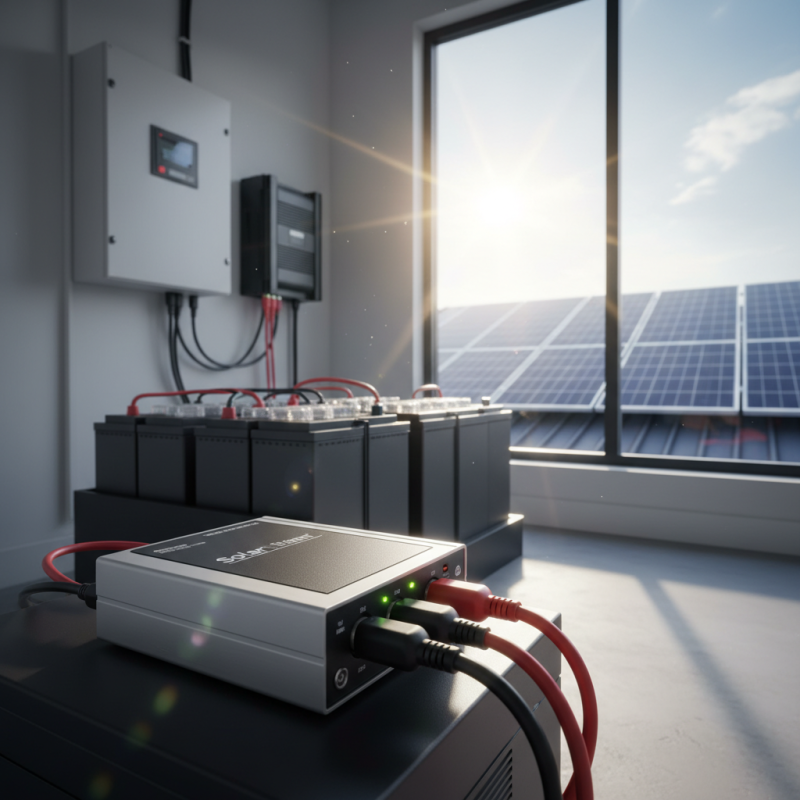
Understanding MPPT Technology and Its Benefits
MPPT technology, or Maximum Power Point Tracking, plays a crucial role in solar energy systems. This innovative technology optimizes the energy harvested from solar panels. It consistently adjusts the electrical load to maximize power production. According to industry reports, MPPT controllers can increase energy harvest by 20-30% compared to traditional charging methods. This significant boost is especially beneficial in less-than-ideal sunlight conditions.
Choosing the right MPPT controller can be daunting. Look for controllers with a high tracking efficiency, ideally above 95%. Their response time is also important. Some models take longer to adjust, reducing energy capture. Additionally, ensure the controller supports the voltage range of your solar panels.
Tip: Regularly examine the performance of your MPPT controller. Over time, dirt and debris can affect its efficiency.
Moreover, pay attention to the cooling features of the MPPT controller. Excessive heat can hinder performance. A well-ventilated environment is advantageous for long-term operation. Monitor the ambient temperature as high heat levels can lead to substantial energy loss.
Tip: Watch out for signs of overheating, like unusual noises or reduced output. This can signal that the controller needs maintenance.
Factors to Consider When Choosing a Solar MPPT Controller
When selecting a solar MPPT controller, several factors are critical. The first consideration is system voltage. Ensure the controller matches the voltage of your solar panels and battery bank. Mismatched voltage can lead to inefficiencies. Next, evaluate the maximum current rating. Choose a controller that can handle the power output of your solar panels. If you underestimate this, the controller may overheat or even fail.
Another factor is the tracking efficiency. High-quality MPPT controllers can increase energy harvest by optimizing power extraction. Look for controllers with a high tracking efficiency, but remember, they may cost more. Additionally, consider the features for monitoring and control. Some controllers come with built-in displays or app connectivity. This might be convenient, yet think about whether you truly need these extras, as they can complicate usage.
Finally, pay attention to the warranty and support. A good warranty can indicate a manufacturer’s confidence in their product. Reflect on the long-term reliability you expect. Investing time in research is worthwhile. By doing so, you can avoid poor choices and make an informed decision.
Evaluating Controller Specifications: Voltage, Current, and Efficiency
When selecting a solar MPPT controller, it is crucial to evaluate specifications such as voltage, current, and efficiency. The voltage rating should match your solar panel system. Ensure you choose a controller that can handle the maximum voltage from your panels. An undersized controller can lead to performance issues and even damage your system. Pay attention to the input voltage range and the cutoff voltage. Mismatches here can cause inefficiency or malfunction.
Current is another vital aspect. The controller must manage the solar output without overloading. For instance, if your solar panels produce higher current than the controller can handle, you risk overheating. Look for a controller with a higher current rating than your system’s output. It's advisable to check the continuous current rating, not just peak values.
Finally, the efficiency of a solar MPPT controller significantly affects your energy harvest. Efficiency ratings indicate how well the controller converts available energy. A small difference in efficiency can diminish your overall energy production. Oddly enough, some manufacturers may exaggerate these numbers. Always research and cross-reference multiple sources for realistic expectations. Understanding these specifications can lead to better choices, ensuring a reliable and efficient solar energy system.
Compatibility: Matching Controllers with Solar Panels and Batteries
When choosing a solar MPPT controller, compatibility is key. You must match it with both your solar panels and batteries. Different panels output varying voltage levels. If the controller cannot handle the voltage, it won't function properly. Look at the specifications carefully. Sometimes, users overlook these details. Even minor mismatches can lead to inefficiency.
Batteries also play a crucial role in this equation. Their voltage and capacity should align with the controller's capabilities. If the battery's output is too high, it can damage the controller. Conversely, a low voltage battery might not perform as needed. This is often where mistakes occur. Users may assume compatibility without verifying it.
Remember to consider temperature ranges, too. Some controllers operate best under specific conditions. If your system faces extreme weather, ensure the controller is rated for it. Compatibility involves more than just numbers; it's about real-world application and performance. Take the time to research and reflect on your choices. Ensure that everything works harmoniously together.
Installation and Setup: Ensuring Optimal Performance of MPPT Controllers
Installing and setting up an MPPT (Maximum Power Point Tracking) solar controller is crucial for maximizing solar panel efficiency. A well-chosen MPPT controller can yield up to 30% more power than traditional PWM controllers. However, installation mistakes are common. Improper wiring can lead to significant energy losses. Ensure all connections are secure and consider using quality cables to reduce resistance.
During setup, it is essential to configure the controller according to your system's specifications. Many modern controllers come with user-friendly interfaces, but it’s easy to overlook details. Calibration of voltage and current settings is vital. Reports indicate that a miscalibrated system can lose about 5-10% efficiency. Double-checking these settings can be a simple step to improve performance.
Additionally, placement of the controller affects its efficiency. A shaded or poorly ventilated location can lead to overheating and reduced output. Optimal temperatures range from -20°C to 60°C for most controllers. Regularly inspect your installation for dust or debris that can block airflow. This often-neglected aspect can significantly impact performance. Taking the time to ensure proper installation and regular maintenance can lead to enhanced system longevity and better energy yields.
Efficiency of Different Solar MPPT Controllers
