How to Choose the Best Solar Energy System for Your Home
Choosing the right solar energy system for your home is a crucial decision that can impact both your energy bills and your environmental footprint. According to Dr. Emily Johnson, a leading expert in renewable energy systems, "Selecting the optimal solar energy system involves assessing your energy needs, evaluating available technologies, and understanding local conditions." Her insights emphasize the importance of a tailored approach when considering solar solutions.
As homeowners become increasingly aware of the benefits of solar power, the market for solar energy systems has expanded, showcasing a variety of options to meet diverse needs. The key to making an informed choice lies in understanding the specific requirements of your household and how different solar technologies can fulfill those needs effectively. Factors such as roof orientation, energy consumption patterns, and financial incentives play a critical role in selecting the most suitable solar energy system.
In this guide, we will explore essential considerations for choosing the best solar energy system, ensuring that you not only make a sustainable choice but also invest wisely in your future energy independence. Whether you are a first-time buyer or looking to upgrade your existing system, understanding these elements will help you navigate the solar landscape confidently.

Understanding Your Energy Needs and Usage Patterns
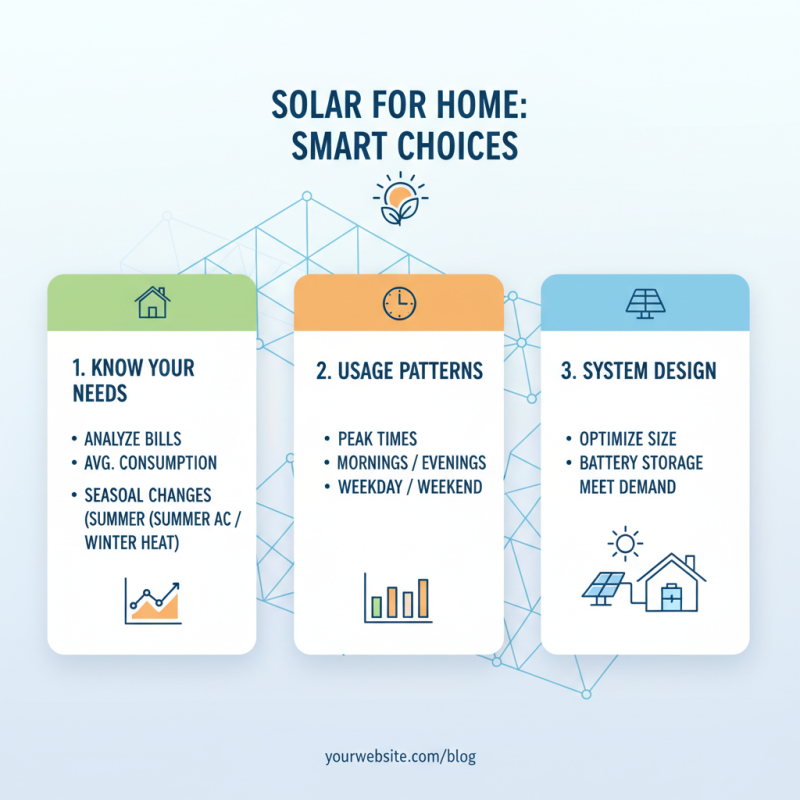
When choosing the best solar energy system for your home, understanding your energy needs and usage patterns is crucial. Start by analyzing your monthly electricity bills to determine your average energy consumption. Pay attention to seasonal variations, as many households may use more energy in summer due to air conditioning, while winter heating might also spike usage. Identifying peak usage times will help you configure your solar system to meet these demands effectively.
Next, consider the appliances and systems that consume the most power in your home. By categorizing your energy use, you can prioritize which areas to address with solar energy solutions. For example, if you find that heating and cooling make up a large portion of your energy consumption, you might look into solar systems that include energy storage options to maximize efficiency. Understanding these patterns will not only guide your choice of solar panels and their orientation but also how much energy storage capacity you might need to ensure you have sufficient power during peak usage times and cloudy days.
Evaluating Different Types of Solar Energy Systems
When evaluating different types of solar energy systems for your home, it is essential to consider the main options available: grid-tied, off-grid, and hybrid systems. Grid-tied systems are connected to the local utility grid, allowing you to draw electricity from both the solar panels and the grid. This option is often the most cost-effective as it enables the homeowner to sell excess power back to the utility company, thus offsetting energy bills.
Off-grid systems, on the other hand, are ideal for remote locations where utility access is limited or non-existent. These systems rely solely on solar power and typically require battery storage to ensure a continuous supply of electricity, especially during cloudy days or at night. While they offer independence from the grid, they usually come with higher upfront costs and more complex installation requirements. Lastly, hybrid systems combine aspects of both grid-tied and off-grid systems, providing flexibility and reliability while still allowing for backup power solutions. Each type of system has its own benefits and drawbacks, so careful consideration of your energy needs, budget, and location is crucial in making the right choice.
Solar Energy System Comparison
Assessing Budget and Financial Incentives for Solar Installation
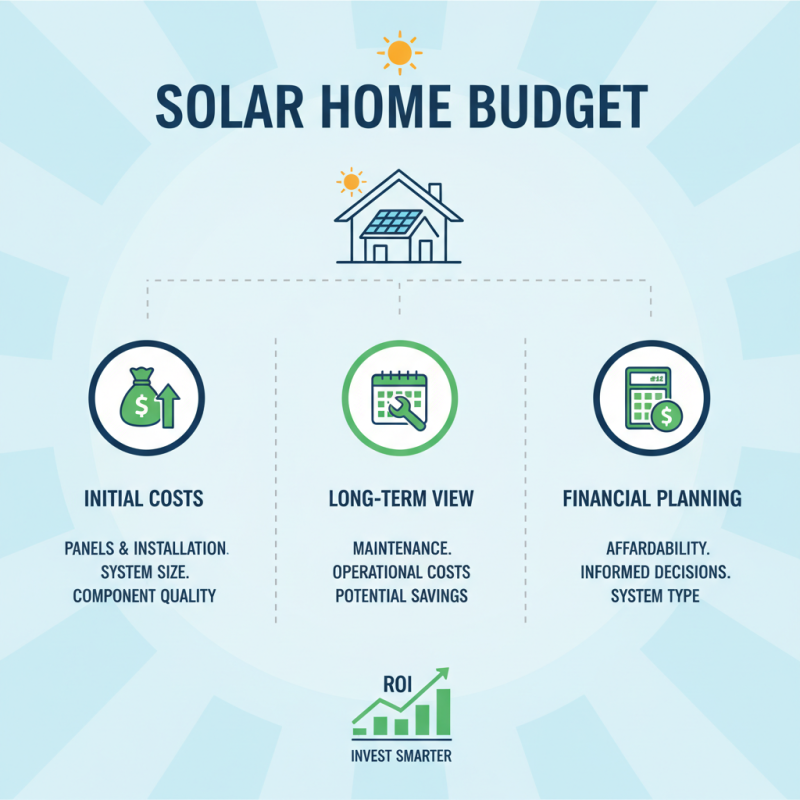
When considering a solar energy system for your home, a crucial aspect is assessing your budget. The initial cost of solar panels and installation can vary significantly based on the size of your system and the quality of components you choose. It’s essential to create a detailed budget that takes into account not only the purchase and installation costs but also potential maintenance expenses over the years. This comprehensive financial planning will help you understand what you can afford and guide you in making informed decisions about the type of solar system that suits your needs.
In addition to your budget, it's important to explore financial incentives available for solar installation. Many governments offer tax credits, rebates, and other financial assistance programs to encourage homeowners to switch to renewable energy. Researching local, state, and federal incentives can significantly offset the initial costs. Additionally, some utility companies provide programs that allow you to sell excess energy back to the grid, furthering your financial benefits. By leveraging these incentives, you can maximize your investment in solar energy while contributing to a more sustainable future.
Researching and Choosing a Reliable Solar Provider
When selecting a reliable solar provider, thorough research is essential to ensure you make the right choice for your home. Start by checking customer reviews and ratings on platforms such as Google, Yelp, or the Better Business Bureau (BBB). This will give you insight into the experiences of other homeowners and can highlight potential red flags. Additionally, look for providers with extensive experience in the industry, as this often correlates with a better understanding of technology and customer service.
Tips: Always ask potential solar providers for references. Speaking directly to previous clients can paint an honest picture of what to expect. Furthermore, ensure the provider has all necessary licenses and certifications, which not only shows professionalism but also compliance with industry standards.
Comparing multiple quotes is also a critical step. Don't settle for the first proposal you receive; look for different pricing and service options. Evaluate not just the price but the technologies used, warranties offered, and the overall reputation of the company.
Tips: Consider how long the provider has been in business and whether they offer maintenance services. A company that stands behind its products will typically provide robust post-installation support, ensuring that your solar energy system functions efficiently for years to come.
Planning for Installation and Maintenance of Your Solar System
When planning for the installation of a solar energy system, it's crucial to consider the layout and orientation of your home. Ensuring that your roof has adequate exposure to sunlight throughout the day can significantly impact the efficiency of the system. Consulting with a professional installer can help you assess the most suitable location for the panels, taking into account potential shading from trees or nearby structures. Additionally, consider the roof's structural integrity, as installing solar panels may require reinforcement to handle their weight.
Maintenance of your solar energy system is equally important to its longevity and performance. Regular inspections can help identify potential issues early, such as dirt accumulation on panels or wear and tear on electrical components. It's advisable to clean the panels occasionally and keep an eye on the inverter's functioning. Many manufacturers offer warranties that cover certain maintenance tasks, so familiarize yourself with those details. By planning carefully for both installation and ongoing maintenance, you can ensure that your solar power system operates efficiently for years to come.
How to Choose the Best Solar Energy System for Your Home - Planning for Installation and Maintenance of Your Solar System
| Criteria |
Details |
| Energy Needs |
Calculate your household energy consumption in kilowatt-hours (kWh). |
| System Type |
Consider options like grid-tied, off-grid, or hybrid systems. |
| Installation Location |
Assess the installation site for sunlight exposure and shading. |
| Budget |
Determine your budget including installation and maintenance costs. |
| Incentives |
Research state and federal incentives or rebates for solar energy systems. |
| Maintenance Requirements |
Understand the maintenance needs including cleaning and inspections. |
| Warranty |
Check the warranty terms for components like panels and inverters. |
| Grid Connection |
Evaluate how your system will connect to the local utility grid. |