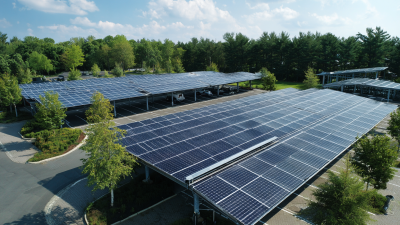
Choosing the right energy solutions for your home and business is a critical decision that can significantly impact both your financial health and environmental footprint. As the world moves towards more sustainable practices, understanding the available energy options becomes increasingly important. According to Dr. Emily Larson, a leading expert in renewable energy systems, “The right energy solution is not just about saving costs; it’s about investing in a sustainable future for generations to come.” Her insights highlight the importance of careful consideration when assessing energy needs and potential solutions.
In today’s rapidly evolving energy landscape, homeowners and business leaders alike face a myriad of choices, ranging from solar panels to energy-efficient appliances. Each option comes with its own set of advantages and challenges. Evaluating these solutions requires knowledge not only of the technologies available but also of how they align with individual energy demands and sustainability goals. Well-informed decisions can drive cost savings, improve energy efficiency, and contribute positively to the environment.
As we delve into the factors influencing the selection of energy solutions, this guide aims to equip readers with the necessary tools and information to make informed choices that benefit both their immediate needs and long-term sustainability objectives. By exploring various energy solutions and their implications, we can navigate the path toward a greener and more efficient future.
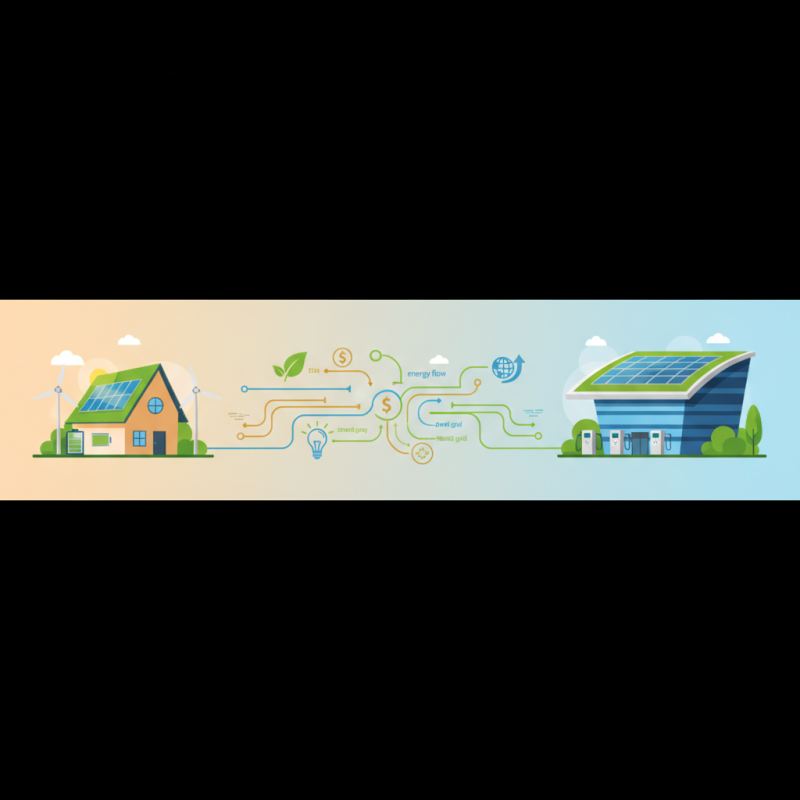
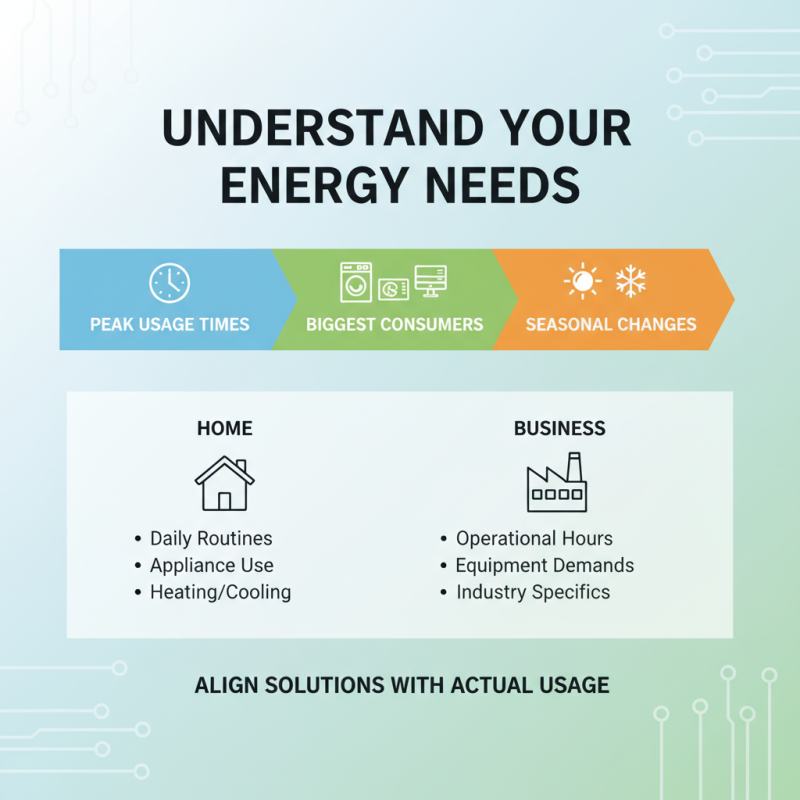
Understanding your energy needs is crucial when selecting the best energy solutions for your home and business. The first step is to assess your energy consumption patterns. This includes identifying peak usage times, understanding the appliances and systems that consume the most energy, and evaluating seasonal variations in consumption. For businesses, it’s important to consider operational hours and specific equipment demands, which may vary widely depending on the industry. By gaining a clear picture of your energy usage, you can better align your energy solutions with your actual requirements.
Next, consider the various energy sources available to you, including renewable options such as solar or wind, as well as traditional fossil fuels. Each source has its own advantages and limitations in terms of cost, sustainability, and reliability. For residential settings, factors like available space for installation and local regulations may influence your choice. In contrast, businesses might prioritize scalable solutions that can accommodate their growth and fluctuating energy demands. Ultimately, choosing the right energy solution requires a thoughtful evaluation of your specific needs, local energy landscape, and long-term goals for sustainability and cost-efficiency.
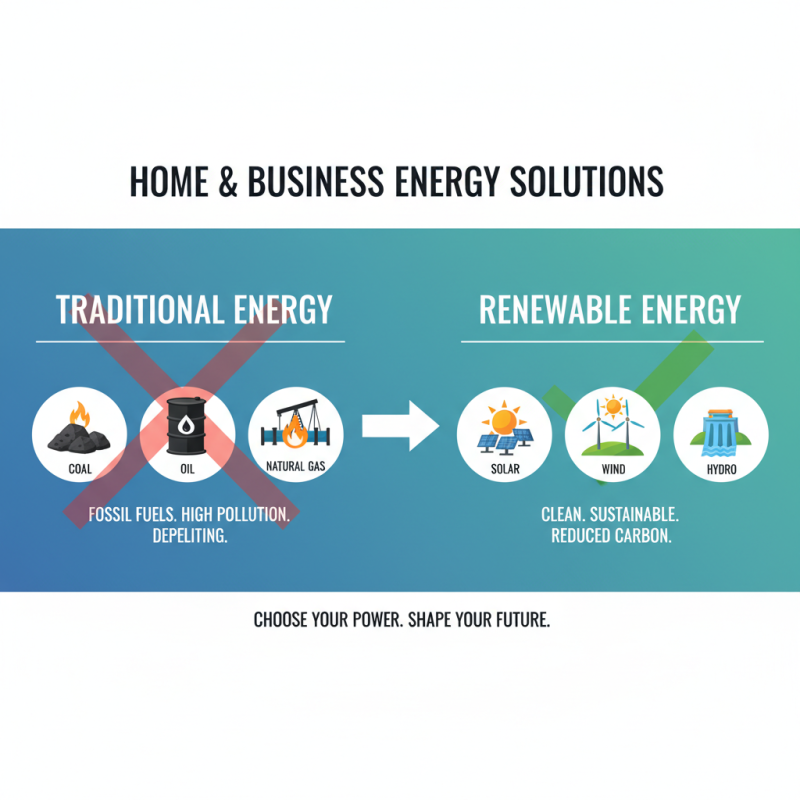
When considering energy solutions for your home or business, it's essential to explore the various types of energy sources available. Traditional energy sources such as fossil fuels—coal, oil, and natural gas—have been the backbone of energy supply for decades. However, their adverse environmental impacts and depletion challenges have led to a growing interest in renewable energy sources. Solar, wind, and hydroelectric energy present cleaner, sustainable alternatives that can significantly reduce your carbon footprint.
**Tips**: When evaluating renewable energy options, assess your local climate and resources. For example, areas with abundant sunlight may benefit more from solar panel installations, while regions with significant wind can explore wind turbine setups. Additionally, consider your energy needs against the available grid connections, and make sure to account for any local incentives or rebates available for renewable energy implementations.
Another option to consider is energy storage systems, which can complement both traditional and renewable sources. Batteries or other storage methods can help manage energy more efficiently, ensuring that you have power during peak usage times or outages. This flexibility can lead to long-term savings and increased energy independence.
**Tips**: Before investing in energy storage, analyze your peak energy usage times and determine the size of the system you will need. Look into technologies like smart meters to monitor your consumption effectively, enabling you to optimize your energy use and maximize savings. By exploring diverse energy sources and storage solutions, you can create a more resilient energy strategy tailored to your specific needs.
When selecting energy solutions for your home and business, understanding the costs and benefits of various options is crucial. According to the U.S. Energy Information Administration (EIA), residential electricity costs have risen by approximately 15% over the past decade, prompting homeowners to seek more cost-effective alternatives. Renewable energy options, such as solar and wind, have gained traction due to their long-term savings and minimal environmental impact. A study from the National Renewable Energy Laboratory (NREL) indicates that installing solar panels can reduce energy costs by up to 70% over a 20-year period, making it an appealing option for those looking to mitigate rising utility rates.
In addition to cost considerations, evaluating the overall benefits of energy solutions is essential. The International Renewable Energy Agency (IRENA) reports that transitioning to renewable energy sources can significantly lower carbon emissions, contributing to a more sustainable future. Businesses, in particular, can enhance their corporate image and meet consumer demand for environmentally friendly practices by adopting green energy solutions. Furthermore, incorporating energy-efficient technologies, like LED lighting and smart thermostats, not only reduces operational costs but can also improve productivity and workplace satisfaction. Balancing upfront investments with long-term savings and environmental benefits will guide homeowners and businesses in making informed decisions about their energy solutions.
| Energy Source | Initial Cost ($) | Monthly Cost ($) | Environmental Impact | Lifespan (Years) | Total Savings Over 10 Years ($) |
|---|---|---|---|---|---|
| Solar Power | 15,000 | 100 | Low | 25 | 18,000 |
| Wind Power | 20,000 | 150 | Low | 20 | 15,000 |
| Natural Gas | 8,000 | 200 | Moderate | 30 | 7,000 |
| Electricity (Grid) | None | 250 | High | Variable | 0 |
| Geothermal | 25,000 | 120 | Low | 20 | 22,000 |
When choosing energy solutions for your home and business, assessing the environmental impact should be a primary consideration. Different energy sources have varying effects on climate change, air quality, and biodiversity. For instance, fossil fuels such as coal and natural gas contribute significantly to greenhouse gas emissions, leading to global warming and air pollution. In contrast, renewable energy sources like solar, wind, and hydroelectric systems offer cleaner alternatives that reduce carbon footprints and promote sustainable practices.
In addition to greenhouse gas emissions, it is essential to consider the resource extraction methods and the potential ecological disruption associated with different energy solutions. For instance, solar panel production can have a higher initial environmental impact due to the mining of rare materials, yet the long-term benefits of emissions reduction may outweigh those initial costs. On the other hand, wind energy generates electricity without emitting greenhouse gases, but wind farms can affect local wildlife habitats. Thus, a comprehensive evaluation of both immediate and long-term environmental impacts is crucial when selecting energy solutions that align with sustainability goals.
This chart illustrates the environmental impact (measured in CO2 emissions per kWh) of various energy solutions for homes and businesses. Lower values represent a more sustainable choice.
Choosing the right energy provider is critical for both homeowners and businesses, as this decision impacts not only monthly expenses but also the sustainability of energy consumption.
Start by evaluating your energy needs, which may vary based on the size of your property, usage patterns, and the specific requirements of any appliances or devices in use. Understanding whether you require consistent energy supply or if you can lean toward renewables helps narrow down suitable providers.
Next, consider the pricing structure and contract terms offered by various energy suppliers. It's essential to compare fixed-rate plans versus variable-rate options, as well as any additional fees that may come into play. Look for transparency in billing and customer support, as these factors contribute significantly to your overall satisfaction with the energy provider. Investigate the provider’s commitment to renewable energy sources, as this reflects their environmental responsibility and may align with your personal values or business goals. By making an informed assessment of these factors, you can confidently select an energy provider that meets your needs and contributes to a sustainable future.