Why Choose a Solar Electricity System for Your Home?
In recent years, the shift towards renewable energy has gained significant momentum. Many homeowners now consider installing a solar electricity system due to its environmental benefits and potential for long-term savings. According to the Solar Energy Industries Association (SEIA), the solar market grew by over 20% in the past year alone. Such growth emphasizes the increasing acceptance of solar energy as a viable solution.
Expert John Smith, a notable figure in the solar energy sector, once stated, "Investing in a solar electricity system is investing in a sustainable future." His insights reflect a growing trend among homeowners wanting to reduce their carbon footprint while saving on energy costs. Many homeowners find the initial investment daunting, yet the long-term benefits often outweigh the costs.
While not every home is ideally suited for solar panels, many can make modifications to enhance efficiency. It’s essential to evaluate your roof's accessibility and sunlight exposure. Notably, this investment requires careful planning and research. As the industry evolves, it’s critical to stay informed and consider future developments in solar technology. The journey to adopting a solar electricity system is worthwhile, even if it demands a bit of reflection and effort.

Benefits of Solar Electricity Systems for Homeowners
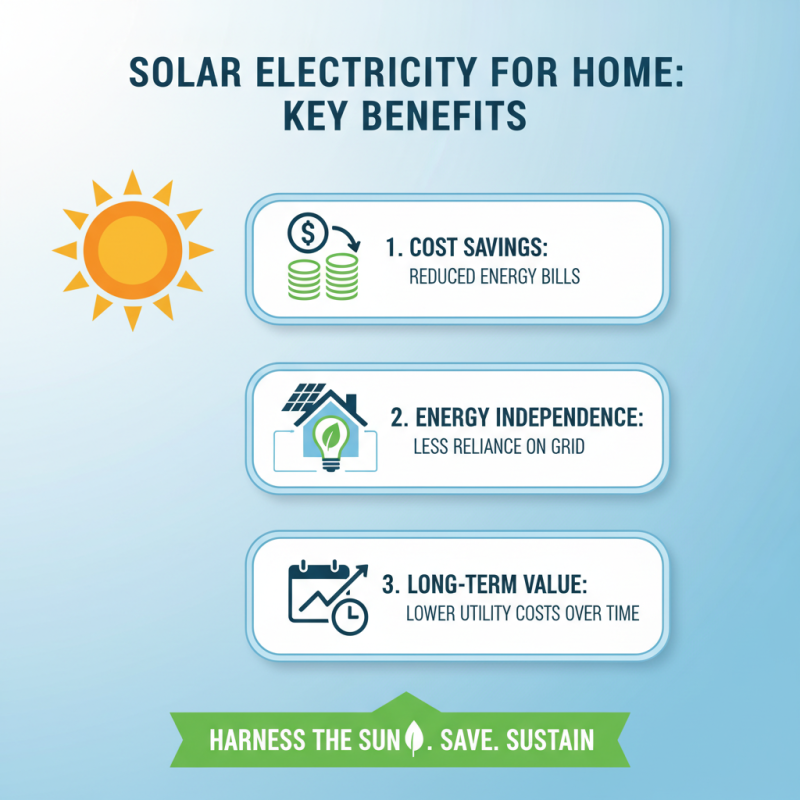
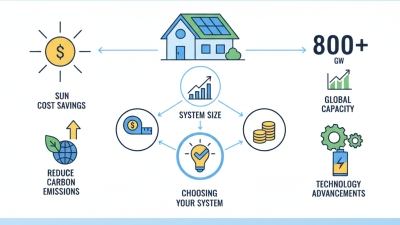
Choosing a solar electricity system for your home brings numerous benefits. One of the most evident advantages is cost savings on monthly energy bills. By harnessing sunlight, homeowners can significantly reduce their reliance on traditional electricity. This leads to lower utility costs over time.
Tips: Consider your home’s energy usage. Look at past electric bills to gauge savings. It can help you estimate how much solar can save you.
Another key benefit is the environmental impact. Solar energy reduces carbon footprints. Homeowners contribute to a cleaner planet by using renewable resources. This can feel rewarding and is a step toward sustainability.
Tips: Research local incentives for solar installations. Government programs may provide rebates or tax credits. These can help offset initial setup costs.
While solar systems have many advantages, homeowners should also reflect on maintenance needs. Regular checks are essential to ensure efficiency over the years. It may require effort and planning, but the long-term rewards can be worth it.
Key Factors to Consider When Choosing Solar Energy Solutions
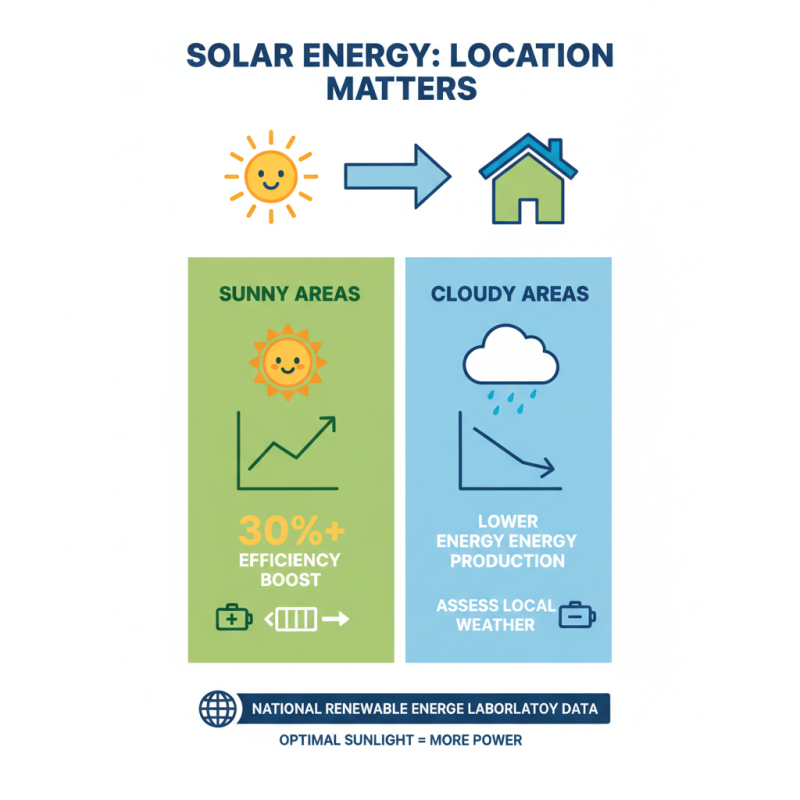
When considering solar energy solutions, key factors play a vital role. The first aspect is location. Solar systems perform best in sunny areas. According to the National Renewable Energy Laboratory, optimal sunlight can boost efficiency by nearly 30%. A thorough assessment of local weather patterns is essential. Are there long periods of cloud cover? This can impact the overall energy production.
Next, consider the size of your household and energy needs. Data shows that an average U.S. home uses about 877 kWh per month. A solar system should be tailored to meet this demand. Oversizing can lead to high initial costs, while undersizing limits energy savings. It’s crucial to analyze your typical monthly usage.
Financing options also matter. Many homeowners hesitate due to initial setup costs. Yet, incentives can reduce expenses significantly. The Solar Energy Industries Association reports that the federal tax credit can cover 26% of installation costs. This makes solar more accessible. However, not all solutions are perfect. Some installations may require maintenance and repairs. It's important to weigh these aspects carefully before deciding.
Cost Analysis: Initial Investment vs. Long-term Savings
When considering a solar electricity system, the initial investment is often daunting. On average, homeowners might spend between $15,000 and $25,000 for installation. This upfront cost can deter many. However, the long-term savings are significant. A study by the National Renewable Energy Laboratory states homeowners can save up to $30,000 over 20 years. That’s substantial.
Moreover, solar panels increase property values. According to Zillow, homes with solar systems sell for about 4.1% more than those without. In a local market with an average home price of $300,000, that’s nearly $12,300 added equity. Yet, not every homeowner sees these benefits immediately. For some, the wait for return on investment feels endless.
Energy bills also shrink as solar power kicks in. The average American household spends about $1,500 annually on electricity. A solar system can reduce those costs by 70% over time, leading to nearly $1,000 in yearly savings. However, maintenance and potential repairs can be overlooked, adding unexpected costs. It’s a trade-off: high initial expense against long-term benefits. Not everyone will find immediate relief with solar. Each situation is unique and requires careful thought.
Why Choose a Solar Electricity System for Your Home?
Environmental Impact of Switching to Solar Power
Switching to solar power can greatly reduce your environmental impact. Solar energy is a clean and renewable resource. By harnessing sunlight, we can decrease our reliance on fossil fuels. In the long run, this helps to lessen greenhouse gas emissions. Every solar panel installed makes a positive difference in air quality.
Consider the waste generated by traditional energy sources. Refineries and coal plants produce toxic byproducts. On the other hand, solar power systems produce little to no pollution. This is a significant step toward protecting our ecosystems. However, not all photovoltaic panels are created equal. It's crucial to research the materials involved in making them.
Solar technology does have its challenges. The production process can harm the environment. Additionally, end-of-life disposal is a concern. Recycling options for solar panels are still developing. It's essential to keep this in mind as we promote solar energy. Making informed choices can lead to a more sustainable future.
Understanding Government Incentives and Rebates for Solar Installation
Installing a solar electricity system can significantly reduce your energy bills. However, the initial costs might seem daunting. Fortunately, many governments offer incentives and rebates for solar installation. These incentives can greatly ease the financial burden.
To maximize your savings, research available government programs in your area. Some states provide tax credits, while others offer cash rebates. Understanding the eligibility criteria is crucial. You don’t want to miss out on money back. Check your local regulations often, as they can change.
One tip is to combine these incentives with financing options. Low-interest loans or leases may allow you to install solar panels without upfront costs. Another point to keep in mind is to compare quotes from different installers. Prices can vary. As you navigate these waters, remember that patience pays off. The process can be overwhelming, but the benefits are worth it.