How to Choose the Right EV Charger Plug at 2026 Canton Fair?
As the electric vehicle (EV) market grows, selecting the right EV Charger Plug becomes paramount. The 2026 Canton Fair, running from April 15 to May 5, offers an ideal setting for this exploration. Attendees will find various manufacturers showcasing their latest innovations. Notably, the event integrates AI for searching suppliers. This tool is critical for finding plugs that meet essential certifications like ISO and CE.
Navigating the expansive venue, spanning 155,000 square meters, can be overwhelming. However, AI-driven navigation enhances the experience by streamlining pathways. This improvement could significantly save time and boost efficiency in decision-making.
Choosing the right EV Charger Plug involves understanding compatibility and quality. With new options emerging, not all plugs are created equal. Attendees should reflect on their specific needs and requirements to make informed choices. The vast offerings at the fair may create confusion, making it essential to focus on quality over quantity.
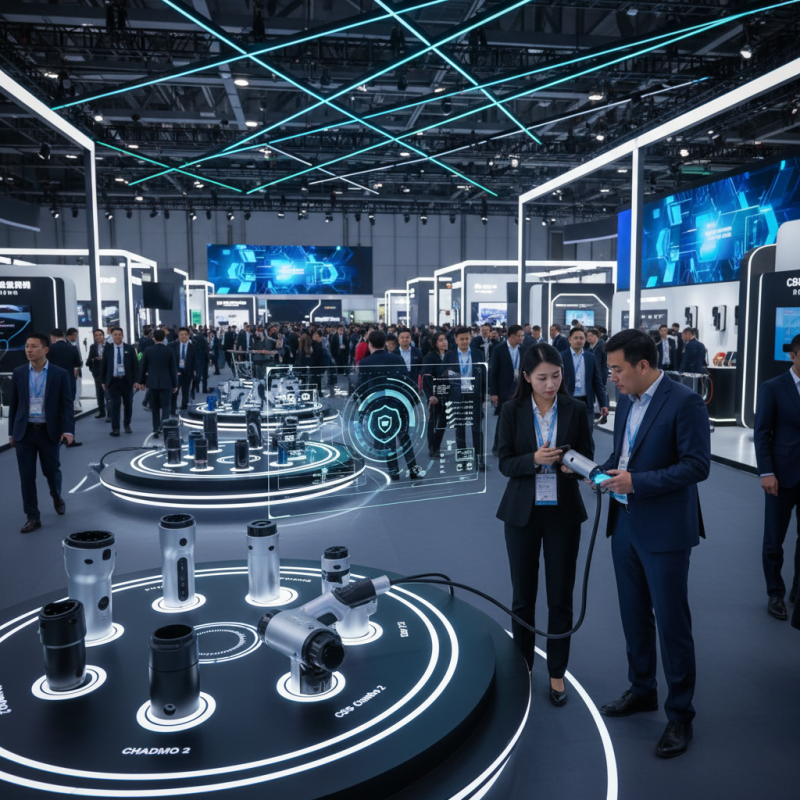
Choosing the Right EV Charger Plug: Key Considerations for 2026 Canton Fair
Choosing the right EV charger plug is crucial for manufacturers and buyers attending the 2026 Canton Fair. Several considerations can shape your decision. First, compatibility is vital. Different electric vehicles use various standards. Ensure the charger plug matches the vehicles you are targeting.
Another key factor is charging speed. Look at the charging rates of different plugs. Faster options may attract more customers at the Fair. However, consider the infrastructure in your target markets. Not all regions support high-speed charging. This could affect your sales.
Don’t overlook safety features. High-quality plugs must meet industry safety standards. You should also think about durability. EV chargers are exposed to outdoor elements. They should withstand various weather conditions. Remember the importance of customer feedback. Listen to what users say about their needs. This could lead to improvements in your offerings.
Understanding EV Charger Plug Types: Level 1, Level 2, and DC Fast Charging
Selecting the right EV charger plug is crucial as electric vehicle adoption increases globally. Understanding plug types is essential. There are three main categories: Level 1, Level 2, and DC Fast Charging. Each serves different needs and speeds.
Level 1 chargers connect to standard household outlets. They provide about 4-5 miles of range per hour. This is often too slow for daily needs. Many users report frustration with prolonged charging times. For sporadic usage, this may suffice, but frequent users might seek better options.
Level 2 chargers are more efficient. They typically supply 10-20 miles of range per hour. This type is a common choice for home and business installations. A study from the Electric Power Research Institute found that 80% of EV drivers prefer Level 2 chargers for daily use. However, installation costs and electrical upgrades can pose challenges.
DC Fast Charging offers rapid replenishment. It can deliver an impressive 60-100 miles of range in just 20-30 minutes. Nonetheless, availability remains uneven. Infrastructure is still developing in many regions. Users often find themselves relying on limited charging stations. This can lead to anxiety during long trips.
Evaluating Compatibility: Standards and Regulations in the EV Industry
Selecting the correct EV charger plug is essential for seamless electric vehicle operation. Understanding compatibility is key as different regions have varied standards and regulations. For example, in Europe, Type 2 connectors are common, while North America often utilizes J1772. Navigating these differences isn't always straightforward.
Industry regulations can change. It is important to stay informed about the latest guidelines. Compliance ensures safety and efficiency for users. Many manufacturers provide documentation, but it can be complex. Sometimes, the information may not be clear or complete. This creates challenges for buyers.
Evaluating compatibility requires thoughtful consideration. Charging speed, connector type, and voltage levels all vary. An incompatible charger can lead to charging delays or equipment damage. It's crucial to research thoroughly. Engaging with experts can provide clarity. Industry standards may evolve, and a charger that works today may not meet future requirements.
Assessing Charging Speeds: Analyzing Charging Time vs. Battery Capacity
Choosing the right EV charger plug involves more than just compatibility. It's crucial to assess the charging speeds, especially when considering battery capacity. According to recent industry reports, the average battery capacity of electric vehicles has risen to 60 kWh. This means that charging time can vary significantly based on the charger's output.
For instance, standard AC chargers typically provide 3.7 kW to 22 kW. If you have a 60 kWh battery, a 7 kW charger will take about 8.5 hours to fully charge it. Conversely, a 22 kW charger could reduce that time to around 2.7 hours. Fast DC chargers, which can exceed 150 kW, can charge a vehicle in under an hour. However, not all batteries can handle such rapid charging.
It's important to reflect on real-world scenarios. Many users still rely on home chargers, which often operate on lower speeds. This can lead to longer wait times, especially for larger capacity batteries. The choice of charger impacts day-to-day convenience. People should carefully evaluate their charging habits and battery needs before making decisions.
Charging Speeds: Time vs. Battery Capacity
Investment Trends: Market Insights and Growth Projections for EV Chargers
The electric vehicle (EV) market is rapidly evolving, making investment in EV chargers increasingly attractive. According to recent projections, the demand for reliable charging infrastructure will grow significantly. This expansion is driven by a surge in EV adoption and changing consumer preferences. However, the market is not without its challenges.
Companies looking to invest must consider various factors. Identifying the right charger type is crucial. With different plug options available, each has unique benefits and limitations. Stakeholders should evaluate compatibility with various EV models. The charging speed also plays a significant role. Fast chargers attract more users, yet they come with higher installation costs.
Moreover, emerging technologies are reshaping the landscape. Innovations in battery capacity and energy efficiency continue to surface. Investors should reflect on these changes. Understanding consumer trends can provide a competitive edge. Yet, the volatility in technology adoption means careful consideration is necessary. The right investment strategy must balance potential rewards with the risks of a dynamic marketplace.
How to Choose the Right EV Charger Plug at 2026 Canton Fair?
| Charger Type | Plug Type | Charging Speed (kW) | Installation Cost ($) | Market Growth Rate (%) |
| Level 1 Charger | NEMA 5-15 | 1.4 - 1.9 | 300 | 3 |
| Level 2 Charger | J1772 | 3.3 - 19.2 | 600 | 8 |
| DC Fast Charger | CCS | 50 - 350 | 20,000 | 15 |
| Home Wallbox | Type 2 | 3.7 - 22 | 800 | 7 |
| Wireless Charger | Inductive | 3 - 7 | 1,500 | 10 |
