2026 How to Choose the Best Solar Energy System for Your Home?
Choosing the right solar energy system for your home can be daunting. With so many options available, it’s easy to feel overwhelmed. Energy expert Dr. Emily Hart has noted, "Selecting the ideal solar energy system requires careful consideration of your unique needs." Her insight highlights the importance of personalization in this decision.
Many homeowners mistakenly believe that all solar energy systems are the same. However, each system caters to different energy needs, budgets, and roof types. For instance, some systems are better for homes with large roofs, while others suit smaller spaces. Additionally, efficiency varies among brands and models, affecting performance.
Understanding your energy consumption is vital. A thorough analysis will reveal how much energy you need. Factors like shading, sunlight hours, and local regulations can complicate the process. Thus, consulting professionals is advisable. Remember that a well-informed choice today can lead to enhanced savings and energy independence in the future.
Factors to Consider When Choosing a Solar Energy System
When selecting a solar energy system for your home, there are several key factors to consider.
One crucial aspect is your energy needs.
Analyze your monthly electricity usage. According to the U.S. Energy Information Administration, the average household uses about
877 kWh per month.
Understanding your consumption can help determine the size of the solar array required.
Another important factor is sunlight exposure.
The amount of sunlight your roof receives can impact system efficiency.
Homes in sunny areas typically need fewer solar panels to generate the same energy as those in less sunny regions.
A study by the National Renewable Energy Laboratory indicates that solar production varies significantly by location,
often differing by 20% or more based on geography.
Additionally, consider installation costs and available incentives.
The Solar Energy Industries Association reports that solar installations have increased by 167% since 2016,
driven in part by tax credits and state incentives.
However, these incentives can change. Staying informed will help you make cost-effective decisions.
Be mindful that while solar energy can save money in the long run, installation costs can be a barrier.
Balancing these elements requires thoughtful consideration.
Types of Solar Energy Systems for Residential Use
When considering solar energy systems for your home, it's essential to understand the types available. There are generally two primary categories:
grid-tied and
off-grid systems.
Grid-tied systems connect directly to local utility networks. They allow you to use grid power when solar production is low. According to the Solar Energy Industries Association (SEIA), about 90% of residential solar systems installed in the U.S. are grid-tied. This option is often more cost-effective because it leverages existing infrastructure.
Off-grid systems are more complex. They are designed for homes not connected to an electrical grid. These systems require batteries to store energy for use during cloudy days or at night. While ideal for remote locations, they often present higher upfront costs. For many, the limited capacity of batteries can be a serious drawback.
In fact, a study from the National Renewable Energy Laboratory (NREL) highlights that off-grid systems can be less efficient, potentially resulting in higher energy bills over time.
Hybrid systems merge the two, combining the benefits of grid-tied and off-grid systems. These setups include battery storage but also connect to the grid. They provide emergency backup during outages while maximizing solar benefits. However, the upfront investment can weigh heavily on homeowners. A 2021 report indicated that many users remain unaware of maintenance needs, which can lead to unexpected costs later on. When choosing, it's vital to carefully assess both current needs and long-term goals.
Evaluating Your Home's Energy Needs Before Installation
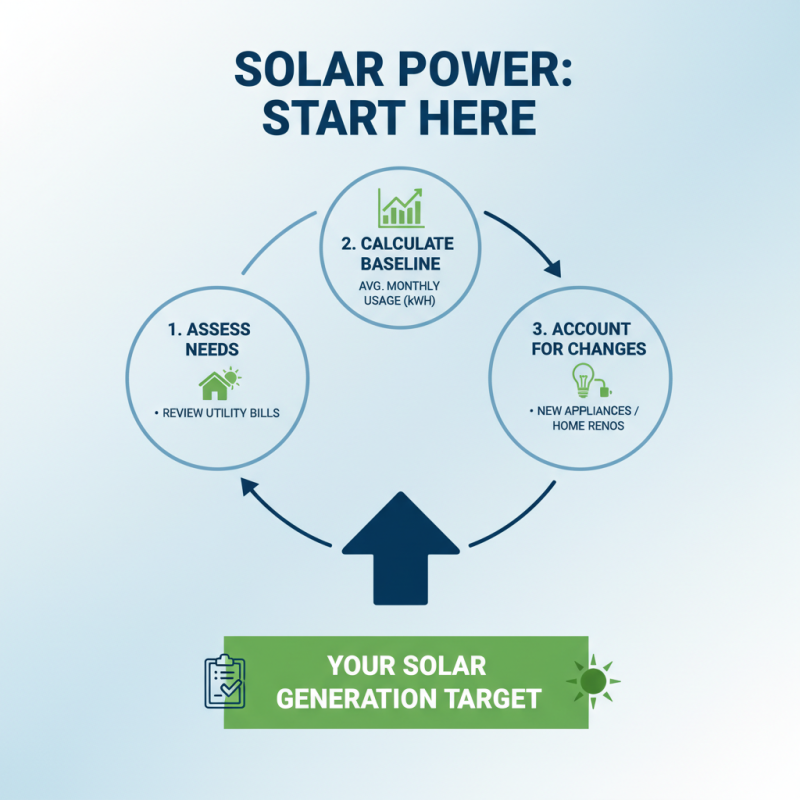
When considering a solar energy system, start by evaluating your home's energy needs. Review past utility bills to gauge your average monthly consumption. This gives you a baseline for understanding how much energy your new system should generate. If you've added appliances or made changes to your home, factor these in as well.
Look at the specifics. Do you have energy-hungry devices like air conditioners or electric water heaters? These impact your overall requirements. A smaller household might need less juice, while a growing family will consume more. It's essential to think ahead. How many devices do you plan to add in the coming years?
While analyzing your needs, remember that not all aspects are easy to measure. Sometimes, unexpected usage patterns arise. You might underestimate your energy consumption during winter months. Alternatively, sunny days may not produce as much energy if you're in a shaded area. A rough estimate can lead you astray if you're not thorough. Adjust your calculations as needed and think critically about what your home truly requires.
Understanding Solar Incentives and Financing Options
When considering solar energy systems, understanding financing options and incentives is crucial. According to the Solar Energy Industries Association, residential solar installations grew by 20% in 2022. This growth is partly due to government incentives, which can significantly reduce upfront costs. Federal tax credits can cover up to 26% of installation costs, making solar more accessible.
State and local incentives vary widely. Some states offer rebates, while others provide tax exemptions. These can further lower the financial barrier. However, not every program is easy to navigate. Potential homeowners must do thorough research. It’s important to understand application timelines and eligibility requirements, which can be frustrating.
Financing options like solar loans and leases also play a vital role. While loans can help spread costs, they may lead to debt. Conversely, leases require little upfront investment but can be more expensive over time. Each option has its pros and cons. Choose wisely, and remember that unexpected costs can arise. Make sure you account for maintenance and potential equipment upgrades in your planning.
2026 How to Choose the Best Solar Energy System for Your Home? - Understanding Solar Incentives and Financing Options
| Data Dimension |
Details |
| Solar Panel Types |
Monocrystalline, Polycrystalline, Thin-Film |
| System Size (kW) |
3 kW - 12 kW |
| Average Cost ($ per Watt) |
$2.50 - $3.50 |
| Federal Tax Credit |
26% until 2023, 22% for 2024 |
| State Incentives |
Varies by state (cash rebates, tax credits) |
| Financing Options |
Cash Purchase, Solar Loans, Leases |
| Return on Investment (ROI) |
5-15 years, depending on incentives and energy savings |
| Lifespan of Solar Panels |
25-30 years |
Maintenance and Efficiency Tips for Solar Energy Systems
Maintaining a solar energy system is crucial for efficiency. Regular inspections ensure the panels are clean and functional. According to the National Renewable Energy Laboratory, dirty panels can lose up to 20% efficiency. This loss underscores the importance of routine maintenance. Clean your panels at least twice a year, especially after storms or heavy pollen seasons.
Efficiency also depends on the angle and orientation of solar panels. They should be positioned to maximize sun exposure. A study by the Solar Energy Industries Association found that the optimal angle varies by location. Homeowners may need to adjust the tilt seasonally. Such adjustments can improve energy capture by about 15% in some areas.
Monitoring system performance is vital. Many systems offer online monitoring tools. These can alert owners to issues like drops in energy production. However, many owners do not regularly check these metrics. This lack of engagement can lead to undetected problems and loss of potential savings. Keeping an eye on performance is essential for long-term benefits.