How to Choose the Best Solar Electricity System for Your Home
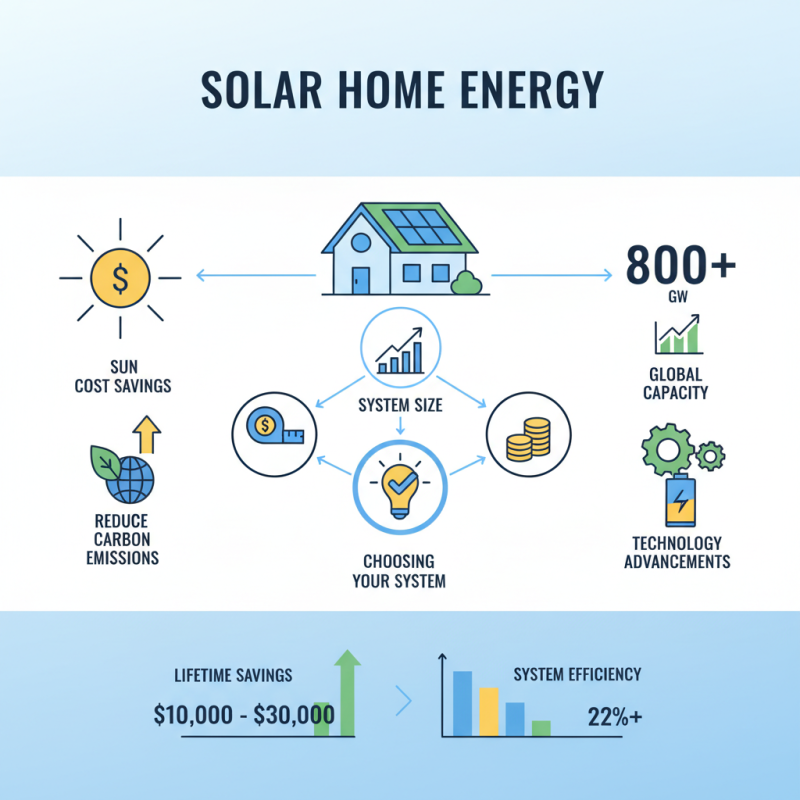
As the world increasingly prioritizes sustainable energy solutions, choosing the right solar electricity system for your home has never been more critical. According to a report from the International Renewable Energy Agency (IRENA), global solar power generation capacity has soared to over 800 gigawatts, underscoring the growing adoption of solar energy systems by households worldwide. This shift not only reflects a commitment to reducing carbon emissions but also highlights the potential for significant savings on electricity costs.
When selecting a solar electricity system, it is essential to consider various factors such as system size, efficiency, and costs. The U.S. Department of Energy estimates that the average homeowner can save between $10,000 and $30,000 over the lifetime of a solar installation, making the initial investment worthwhile for many. Additionally, with advancements in technology leading to higher efficiency rates—some systems now exceeding 22%—homeowners have more options than ever to harness the sun’s power effectively. By understanding these dynamics and leveraging professional insights, you can make an informed choice that aligns with both your energy needs and your environmental values.
Understanding Your Energy Needs and Consumption Patterns
Understanding your energy needs and consumption patterns is crucial when choosing the best solar electricity system for your home. Start by assessing your average energy usage over the past year. Review your utility bills to determine your monthly consumption in kilowatt-hours (kWh). This data will provide a baseline for understanding how much energy you need to generate with your solar system.
Additionally, consider seasonal variations; many households consume more electricity during the summer months due to air conditioning and less in the winter, which can affect the size and type of system you choose.
Once you have a clear picture of your energy consumption, analyze your lifestyle and future energy needs. Think about any potential changes, such as the addition of electric vehicles, home additions, or new appliances that could increase your electricity usage. Evaluating these factors will help ensure that your solar electricity system is not only adequate for your current needs but also scalable for the future.
By understanding both your current consumption patterns and potential changes, you can make more informed decisions when selecting a solar system that aligns with your energy goals.
Evaluating Different Types of Solar Electricity Systems
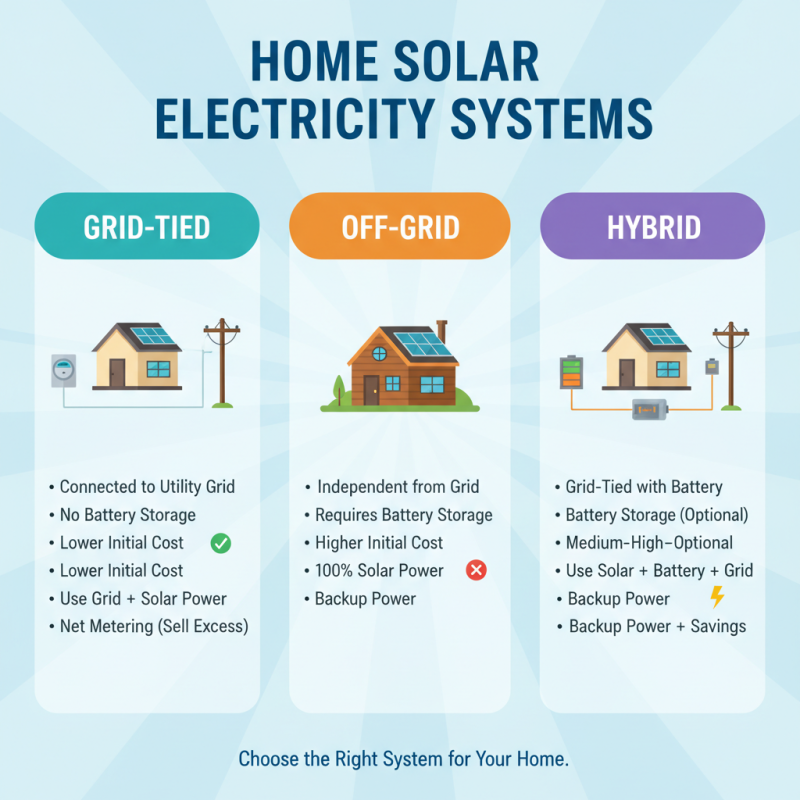
When evaluating different types of solar electricity systems, it's essential to understand the primary options available to homeowners. The most common systems include grid-tied, off-grid, and hybrid solar power systems. A grid-tied system is connected directly to the local utility grid, allowing homeowners to use electricity from both solar panels and the grid. This type of system is often preferred for its simplicity and lower initial cost, as it does not require battery storage.
Off-grid systems, on the other hand, are designed for those who want to be independent of the utility grid. These systems typically require a battery bank to store the energy generated during sunny days for use at night or during cloudy weather. While they offer greater energy autonomy, off-grid systems can be more expensive and complex to install. Hybrid systems combine elements of both grid-tied and off-grid solutions, featuring battery storage while still being connected to the grid. This offers flexibility, as homeowners can save excess energy for later use while also benefiting from grid reliability.
In addition to system types, it's crucial to consider factors such as energy needs, roof space, and local regulations. Assessing your household's energy consumption patterns can help determine the right system size. Also, local climate conditions greatly affect solar panel efficiency, making location an important consideration. By thoroughly evaluating these different systems and their compatibility with your specific needs, you can make a well-informed decision on the best solar electricity solution for your home.
Assessing Your Roof's Suitability for Solar Installation
When considering the installation of a solar electricity system, assessing your roof's suitability is a critical first step. The primary factors to evaluate include the roof's orientation, angle, and material. Ideally, solar panels perform best on south-facing roofs, where they can capture maximum sunlight throughout the day. Studies indicate that solar systems installed on optimal roof orientations can generate up to 25% more energy than those placed on less favorable angles. For homes in the northern hemisphere, a roof pitch of 30 to 45 degrees is often considered ideal, as it enhances sunlight exposure during peak hours.
Another essential aspect to examine is the roof's structural integrity and material type. Most roofing materials can support solar panels, but some, like asphalt shingles, are more conducive to installation than others. According to the National Renewable Energy Laboratory, roofs that last 20 years or longer are preferable for solar panel installation, ensuring that homeowners can fully benefit from their investment before re-roofing becomes necessary. Additionally, any shading from nearby trees or buildings should be assessed, as even partial shade can significantly reduce the efficiency of solar panels, by up to 80% in some cases. Conducting a thorough roof assessment not only ensures a successful solar installation but also maximizes the long-term return on investment.
Roof Orientation Suitability for Solar Installation
This chart illustrates the suitability of different roof orientations for solar panel installation. A south-facing roof is found to be the most suitable, followed by west and east, while north-facing roofs are the least suitable based on sunlight exposure throughout the day.
Comparing Costs, Incentives, and Financing Options
When considering the installation of a solar electricity system, understanding the costs, incentives, and financing options is crucial. The initial investment can vary significantly depending on the size of the system and local installation fees. Typically, homeowners can expect to pay anywhere from $10,000 to $30,000 before any incentives. However, various federal, state, and local incentives can substantially reduce this cost, making solar power more accessible and affordable.
**Tips:** Research available tax credits and rebates in your area to lower upfront expenses. Many states offer attractive incentives that can cover a significant portion of installation costs. Additionally, consider the long-term return on investment. Although the initial outlay may seem steep, savings on your electricity bill and potential increases in home value could lead to substantial gains over time.
Financing options also play a pivotal role in choosing the best solar system. Many homeowners opt for loans that allow them to pay off their system over time while still benefiting from immediate energy savings. Leasing is another popular route, where the homeowner pays a monthly fee to use the system without owning it outright. Each option has different implications for savings and ownership and requires careful consideration based on individual financial situations.
**Tips:** Consult with multiple financing providers to compare loan rates and terms. Be sure to understand whether you will retain ownership of the system or if you will be locked into long-term lease agreements.
Choosing a Reputable Solar Provider and Installation Service
When selecting a solar electricity system for your home, choosing a reputable solar provider and installation service is crucial. Start by researching the company's background, including their years in the business, customer reviews, and accreditations from recognized industry organizations. A solid reputation often indicates reliability and a commitment to quality. Look for testimonials from previous customers that highlight their experiences with the provider, focusing on the efficiency of the installation process, service quality, and post-installation support.
Additionally, make sure to verify that the solar provider has the necessary licenses and insurance. This not only ensures compliance with local regulations but also protects you from potential liabilities during the installation process. Ask potential providers about their warranty policies and the types of solar products they offer. A trustworthy provider will be transparent about their offerings and provide comprehensive explanations about system performance, maintenance, and expected savings. By being thorough in your research and selecting a service that prioritizes customer satisfaction, you'll be well on your way to enjoying the benefits of solar energy in your home.
How to Choose the Best Solar Electricity System for Your Home
| Criteria |
Description |
Example Values |
| Manufacturer Reputation |
Choose manufacturers with a solid track record and positive reviews. |
5+ years in business, 1000+ installations |
| Warranty |
Look for product and performance warranties that are reliable. |
25-year product warranty, 30-year performance guarantee |
| Installation Quality |
Assess the installation process and quality assurances. |
Certified, experienced installers with quality certifications |
| Cost |
Compare costs including installation, equipment, and maintenance. |
$15,000 to $25,000 total system cost |
| Customer Service |
Evaluate customer support options and responsiveness. |
24/7 customer service, quick response times |
| Financing Options |
Check for multiple financing options to fit your budget. |
Lease, purchase, and loan options available |
| Efficiency Ratings |
Look for systems with high efficiency ratings for better performance. |
15% to 23% efficiency ratings |