How to Choose the Best Home Energy Management System for Your Needs
The increasing demand for energy efficiency and sustainability has made home energy management systems (HEMS) a crucial consideration for homeowners. According to a report by the International Energy Agency (IEA), buildings account for nearly 40% of global energy consumption, highlighting the significant impact that efficient energy management can have on reducing overall energy usage. A well-integrated HEMS not only empowers homeowners to monitor and optimize their energy consumption, but it also aids in identifying patterns and achieving significant savings on utility bills.
As the technology behind home energy management systems continues to evolve, it is essential for consumers to understand the features and functionalities that best suit their particular needs. Research from the U.S. Department of Energy indicates that properly utilized HEMS can lead to energy savings of up to 15-40%, underscoring the importance of choosing the right system. With a myriad of options available, ranging from basic monitoring tools to advanced automated solutions, making an informed decision can result in both environmental benefits and enhanced energy efficiency within the home.
Understanding Home Energy Management Systems and Their Benefits
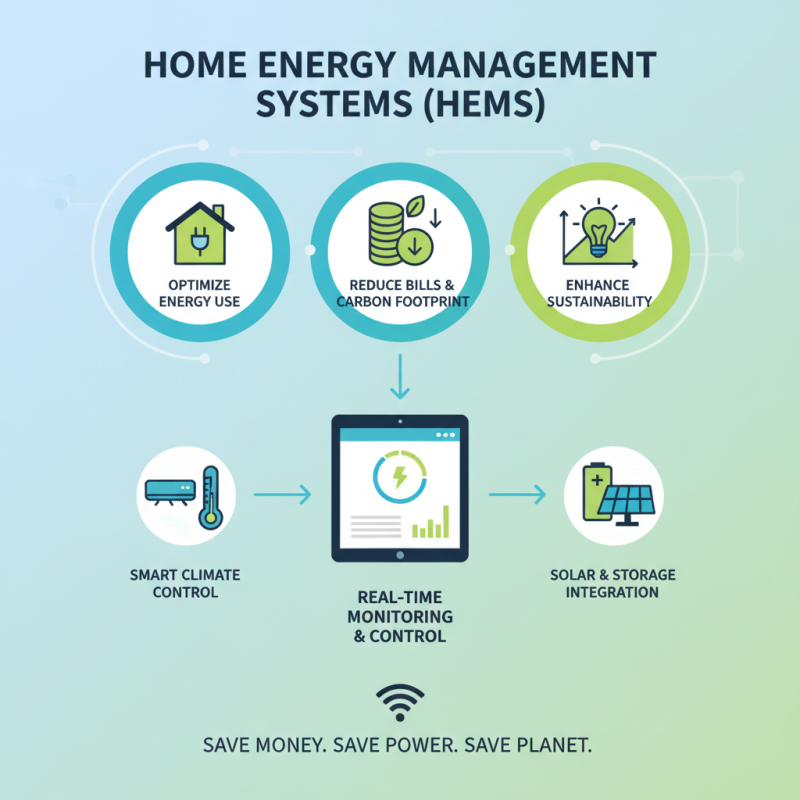
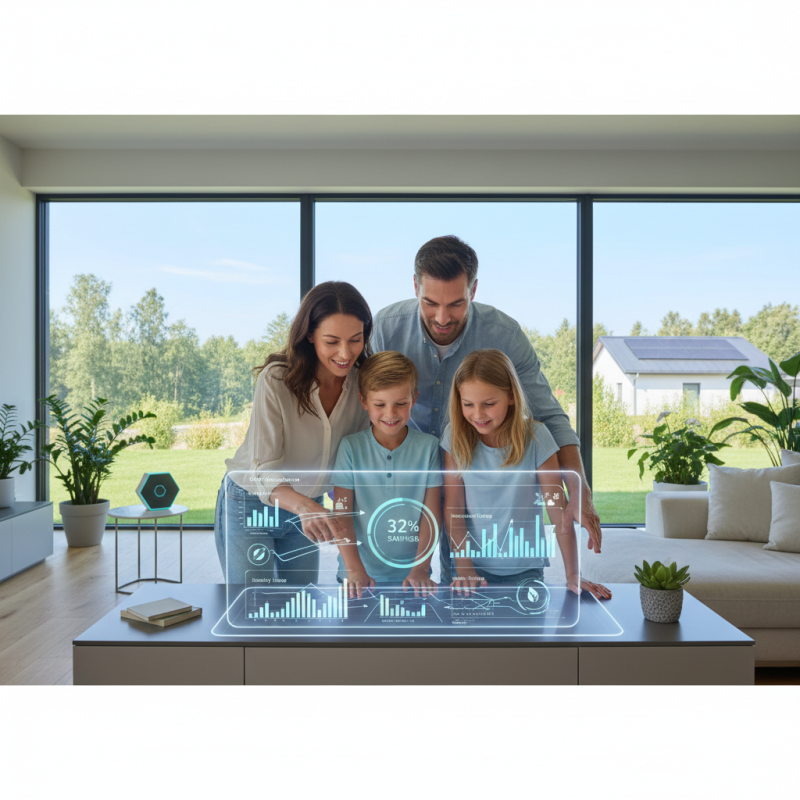
Home energy management systems (HEMS) are becoming increasingly popular as homeowners look for ways to optimize energy consumption, reduce bills, and enhance sustainability. These systems provide insights into energy usage patterns, allowing users to make informed decisions about their energy consumption. By monitoring and controlling energy use in real-time, HEMS can significantly improve energy efficiency, resulting in cost savings and a smaller carbon footprint.
Tips for choosing the right HEMS include assessing your home’s size and energy needs. Consider how many devices you want to monitor and control; some systems offer comprehensive management for multiple appliances, while others may focus on just a few key areas in your home. Moreover, check for compatibility with existing devices, such as smart thermostats and appliances, to ensure seamless integration.
Another important factor is the user interface and accessibility of the system. A user-friendly app or dashboard can make it easier to track energy consumption and adjust settings remotely. Additionally, think about the level of automation you desire. Some systems offer advanced features such as scheduling and predictive algorithms to enhance efficiency. Selecting a system that aligns with your lifestyle and energy goals will maximize the benefits of home energy management.
Key Features to Look for in a Home Energy Management System
When selecting a home energy management system (HEMS), it is crucial to identify key features that align with your energy usage and management goals. One of the most valuable features is real-time monitoring, as research from the Smart Electric Power Alliance indicates that consumers who receive real-time energy use data can reduce their energy consumption by up to 15%. This immediate feedback allows homeowners to make informed decisions about their energy usage and identifies patterns that can lead to further savings.
Another essential feature is the ability to integrate with renewable energy sources, such as solar panels. According to the International Renewable Energy Agency, homes with solar power systems are increasingly using HEMS to optimize energy production and consumption. A well-designed HEMS can provide insights into when to store excess energy or sell it back to the grid, maximizing both sustainability efforts and financial savings. Additionally, look for systems that offer smart scheduling capabilities, enabling users to automate energy-intensive tasks during off-peak hours when electricity rates are lower. This intelligent scheduling can lead to significant savings and enhance the overall efficiency of home energy usage.
Assessing Your Home's Energy Needs and Consumption Patterns
When selecting a home energy management system (HEMS), understanding your household's energy needs and consumption patterns is fundamental. Start by conducting an energy audit, which can help you identify how much energy your home consumes and where it is predominantly used. Assess major appliances, lighting, heating and cooling systems to see where the most energy is being spent. This process not only highlights energy hogs but also allows you to pinpoint areas for potential efficiency improvements.
Next, consider your lifestyle and occupancy patterns. For instance, if your household frequently has different energy demands throughout the day, look for a system that offers real-time monitoring and can adapt to your usage. Tracking changes in consumption during peak and off-peak hours can also be beneficial; it allows you to implement strategies to decrease costs, such as adjusting usage times to align with lower energy rates. A comprehensive understanding of your unique energy profile will enable you to choose a management system that not only reduces energy costs but also enhances your overall energy efficiency.
Evaluating Different Brands and Models of Energy Management Systems
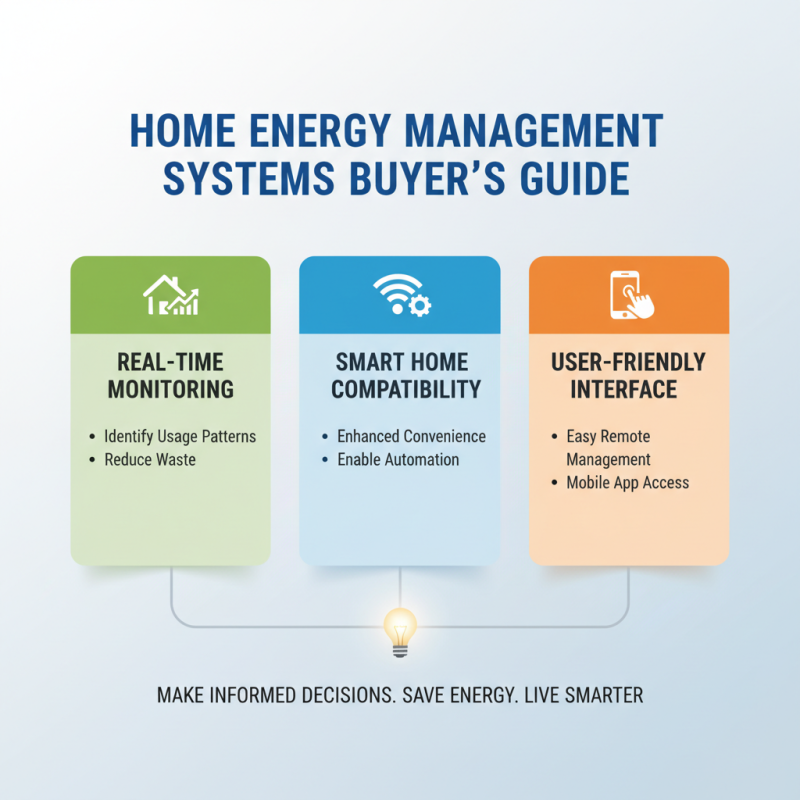
When evaluating different brands and models of home energy management systems, it's crucial to consider features that align with your specific needs. Look for systems that provide real-time energy usage monitoring, as this can help you identify patterns in your energy consumption and make informed decisions to reduce waste. Additionally, compatibility with smart home technology can enhance convenience and enable automation. Make sure to review user-friendly interfaces and mobile app capabilities, as these will allow you to manage your system easily from anywhere.
Tips: Before committing to a specific model, read customer reviews and ratings to gain insights into the reliability and performance of the system. Pay attention to the level of customer support offered by the manufacturer, as responsive service can make a significant difference if you encounter technical issues. Lastly, consider energy-saving features like automated scheduling and integration with renewable energy sources, which can further optimize your energy usage and reduce costs.
Budgeting and Long-Term Savings with Home Energy Management Solutions
When considering a home energy management system (HEMS), it's crucial to factor in budgeting and long-term savings. According to a report by the U.S. Department of Energy, implementing an effective HEMS can reduce energy consumption by up to 20%. This reduction not only leads to immediate cost savings on monthly utility bills but also contributes to more sustainable energy use over time. As energy prices continue to fluctuate, having a system that allows homeowners to monitor and manage their consumption patterns can result in significant financial benefits.
Furthermore, the initial investment in a HEMS can yield substantial long-term savings. A study from the Lawrence Berkeley National Laboratory indicates that homeowners who utilize energy management systems can save an average of $300 annually on energy costs. These systems provide users with insights into their energy usage, enabling them to make informed decisions about when to use certain appliances or shift their consumption to off-peak hours when rates are lower. Additionally, as more homeowners embrace renewable energy sources, HEMS can play a pivotal role in optimizing energy storage and usage, maximizing savings while reducing reliance on traditional energy sources.