2026 How to Choose the Best Electric Commuter Bike?
Choosing the right Electric Commuter Bike can significantly enhance your daily travel experience. With the rise of eco-friendly transportation, many are exploring electric bikes for their convenience and efficiency. However, navigating the multitude of options available can feel overwhelming.
When selecting an Electric Commuter Bike, consider your specific needs. Assess your daily commuting distance and the terrain you'll encounter. Weight and battery life matter. A lightweight bike can make a difference in handling. In contrast, a powerful battery is essential for longer rides. Too often, riders overlook crucial features, leading to disappointment later.
Research reputable brands and read user reviews. Trustworthy sources offer insights into performance and reliability. However, remember that every rider’s experience is unique. What works for one person may not suit another. Reflect on your priorities, and make a choice that truly fits your lifestyle.
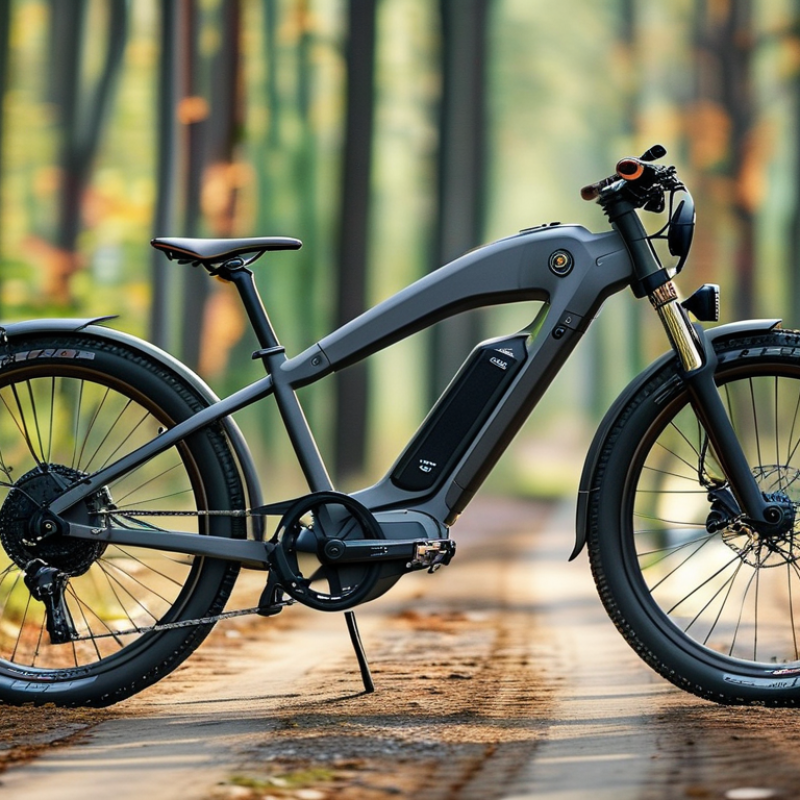
Understanding Electric Commuter Bikes: Key Features to Consider
Choosing the right electric commuter bike requires understanding key features. One of the most important aspects is the motor power. A bike with a higher wattage motor can handle hills better. If your route includes steep inclines, consider a bike with at least 500 watts. This will ensure you have enough power to maintain speed.
Another crucial feature is battery capacity. Look for a battery that offers a long range. A capacity of 400Wh to 600Wh is often ideal for daily commuting. This means you can travel further without worrying about running out of power. However, be aware that larger batteries can add weight. If you prefer a lighter bike, this might be a trade-off.
Comfort also matters. Pay attention to the frame geometry. A comfortable riding position can make your commute enjoyable. Test ride different models if possible. Notice how each bike feels. If a bike lacks comfort, it can lead to fatigue. You may end up avoiding rides altogether. Remember, finding the right balance of features is key to enjoying your daily commutes.
Assessing Range and Battery Life for Daily Commutes
When selecting an electric commuter bike, evaluating its range and battery life is crucial. A study by the Electric Bike Company reveals that most commuters travel an average of 10-15 miles daily. Therefore, a bike with a range between 20-50 miles can provide flexibility and peace of mind. It's advisable to consider terrain and riding style as they significantly affect battery consumption.
Battery life is equally important. Lithium-ion batteries are common, offering a lifespan of around 500-1,000 charge cycles. This translates to 1.5 to 3 years of regular use. Monitoring battery health and charging habits can extend this lifespan. Keep in mind that temperature changes can impact performance. In colder climates, battery efficiency might drop by approximately 20%. Riders should prepare for this.
Range anxiety can be real. A bike that claims a 50-mile range may not deliver under all conditions. Factors such as weight, wind, and terrain will play a role. Consider testing the bike in real-world conditions to gauge its true capabilities. Identifying a reliable dealer and understanding battery warranties can provide safeguards against premature failures.
Evaluating Motor Power and Performance for Urban Riding
When choosing an electric commuter bike, motor power significantly impacts performance, especially in urban environments. A motor with at least 250 watts is typically adequate for city riding. This power helps navigate through traffic, hills, and varying terrains. However, the motor's location matters—mid-drive motors often provide better weight distribution and handling.
Battery capacity is another key factor. A higher capacity means longer rides without needing a recharge. Look for a bike with at least 400Wh for urban commutes. Also, consider the bike's range. Some models may boast impressive performance but falter in real-life conditions. Real-world tests can reveal true endurance levels.
Rider weight and riding style also influence how motor power feels. A heavier rider may require a stronger motor for the same experience. Yet, going for the highest power isn't always the answer. Sometimes, a well-balanced bike with moderate power offers a smoother, more enjoyable ride. Reflect on your personal needs before making a selection.
Evaluating Motor Power and Performance for Urban Riding
Choosing the Right Frame Size and Style for Comfort
Choosing the right frame size and style for your electric commuter bike is crucial. A proper fit enhances comfort and improves riding efficiency. The frame size should align with your height and inseam length. Measure yourself accurately to find the best size. A too-small or too-large frame can lead to discomfort and fatigue during longer rides.
Additionally, the style of the bike plays a significant role. Some prefer a step-through frame for easy mounting. Others might opt for a more traditional design. Consider your daily commute. If you wear formal clothes, a more upright position might be better. Conversely, a sportier frame can offer better agility but may sacrifice comfort.
Don't hesitate to test different bikes. Many shops offer test rides. Pay attention to how each bike feels. Be mindful of your posture and arm reach while riding. It’s important to reflect on your experience. What felt right, and what didn’t? This feedback will guide you to the best choice for your electric commuting needs.
Examining Additional Features and Accessories for Convenience
When choosing an electric commuter bike, various features can enhance your riding experience. Often overlooked, accessories can significantly boost your convenience and comfort. For instance, consider adding a sturdy bike rack. This allows for easy transport of groceries or gear. A bike lock is also essential for security in urban environments.
Adjustable handlebars are another valuable feature. They provide ergonomic support, making your ride more comfortable. Additionally, look for bikes with integrated lighting systems. These enhance visibility, especially during early morning or evening rides. Many commuters forget about battery life. A removable battery can be a lifesaver. It allows you to charge it at your desk or home.
Tips to think about: ensure your bike fits your body. A proper size reduces discomfort. Carry a basic repair kit in case of flat tires. Reflective gear is useful in low-light conditions. It's easy to feel overwhelmed by choices. Take your time to evaluate which features serve your needs best. Researching user reviews can provide real-world insights.
