China Best Solar Electricity Solutions for Sustainable Energy Use?
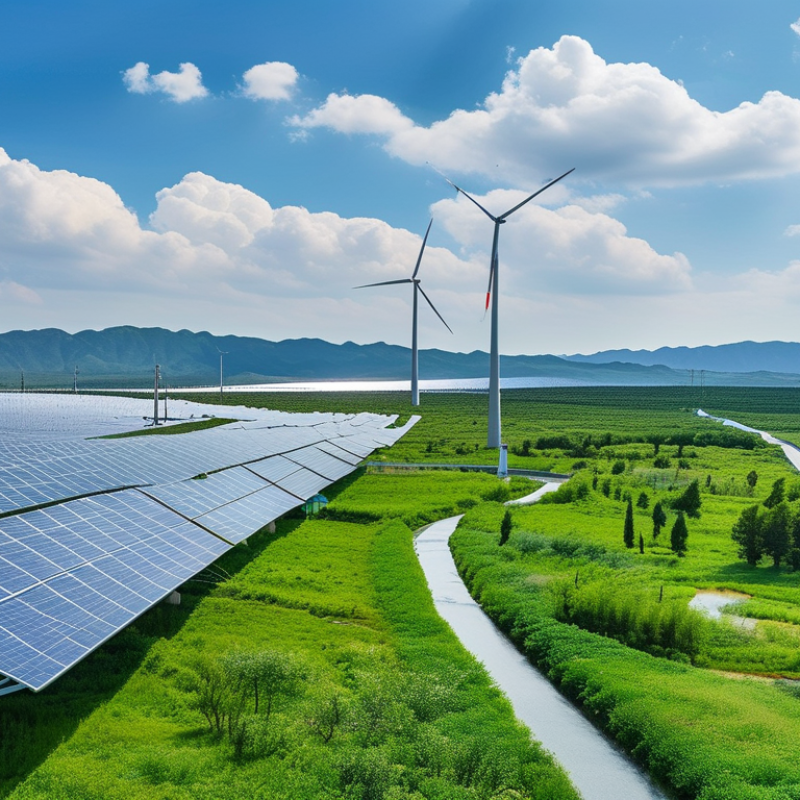
China is rapidly becoming a leader in solar electricity solutions. With its vast landscapes and abundant sunlight, this nation harnesses solar power effectively. Innovative technologies and investments contribute to its position as a global frontrunner.
The push for sustainable energy is critical. Solar electricity reduces dependence on fossil fuels. It decreases carbon emissions, making it an attractive option for environmental sustainability. However, even with these advancements, challenges remain. The efficiency and storage of solar energy still need improvements.
China's commitment to solar electricity shows promise. Yet, it is essential to reflect on the long-term impacts of large-scale solar projects. Balancing development with environmental preservation is a complex issue. The journey toward the best solar electricity solutions requires continuous effort and adaptation.
Overview of Solar Energy Solutions in China
China has rapidly expanded its solar energy sector, becoming a global leader in renewable energy solutions. According to the National Energy Administration, China produced over 250 gigawatts (GW) of solar power in 2022. This impressive figure accounts for more than 35% of the world's total solar capacity. Diverse solar technologies have emerged in China, including photovoltaic (PV) systems, solar thermal energy, and concentrated solar power (CSP).
The integration of these technologies offers various applications, from residential rooftops to large-scale solar farms. In 2023, solar energy is expected to generate approximately 10% of China's electricity. However, challenges remain. The efficiency of solar panels varies, and there's a significant disparity between urban and rural deployments. While urban areas benefit from better infrastructure, rural regions often lack access to essential technologies.
Tips for effective solar energy use:
- Conduct a site assessment to ensure optimal sunlight exposure.
- Monitor installation angles for maximum efficiency.
As the industry matures, continuous innovation is vital. Addressing efficiency gaps is crucial. Stakeholders must explore solutions that enhance performance and reduce costs. The commitment to sustainability in China reflects a growing recognition of the importance of diverse solar electricity solutions. This ongoing evolution encourages global collaboration in renewable energy initiatives.
Electricity Generation from Solar Energy in China (2022)
This bar chart illustrates the electricity generation from solar energy in China for the year 2022, showcasing the significant contribution of photovoltaics (PV) and the smaller role of concentrated solar power (CSP).
Types of Solar Technologies Utilized in China
China has emerged as a leader in solar energy technologies, utilizing various types of solar solutions.
Photovoltaic (PV) technology is the most common method. This involves converting sunlight directly into electricity.
PV systems are installed on rooftops and large solar farms. They operate silently and require minimal maintenance.
Another prominent technology is Concentrated Solar Power (CSP). CSP systems use mirrors to focus sunlight. This heat is then converted into electricity.
CSP can provide energy even when the sun isn’t shining. However, it often relies on large tracts of land. This raises concerns about environmental impact and land use.
China is also exploring innovative solar applications.
BIPV, or Building-Integrated Photovoltaics, is one such approach. It combines solar materials with building structures.
While this is aesthetically pleasing, installation cost can be high. Moreover, ensuring durability and efficiency remains a challenge.
The continuous advancements in technology show promise, yet refinement is necessary to optimize performance.
Government Policies and Incentives for Solar Energy Adoption
China has been rapidly advancing in solar energy adoption. Government policies play a crucial role in this growth. The Chinese government has introduced numerous incentives to encourage the use of solar energy. These include subsidies, tax breaks, and favorable tariffs. Such measures aim to boost both residential and commercial solar installations.
Despite these initiatives, challenges remain. Not all regions have equal access to these incentives. Some areas experience bureaucratic hurdles that slow down the process. Local governments sometimes implement policies inconsistently. This leads to confusion among potential investors and homeowners. More clarity and accountability are needed to ensure equal opportunities for all.
In addition, ongoing education regarding solar technology is essential. Many people still lack awareness of its benefits. Increasing public understanding can drive higher adoption rates. Workshops and community programs might foster interest. By addressing these issues, China can maximize its solar energy potential for a sustainable future.
Challenges Facing Solar Electricity Implementation in China
China's solar electricity capacity has grown significantly.
However, challenges remain that hinder its full potential.
Geographic diversity plays a crucial role in solar energy implementation.
Not all regions receive equal sunlight, affecting energy production efficiency.
Rural areas often lack access to proper infrastructure, making it hard to distribute the generated power effectively.
Additionally, policy inconsistency poses a challenge. Frequent changes in regulations can confuse investors and slow down project development.
Solar technology also requires continual innovation. Without adequate funding, many projects struggle to keep pace with advancements.
The need for skilled technicians is essential but often overlooked, leaving a gap in operational efficiency.
Finally, public awareness plays a significant role in acceptance. Some communities harbor skepticism about solar energy’s benefits.
Education and outreach initiatives are needed to build trust.
More local engagement could encourage participation in solar programs.
Addressing these challenges is vital for sustainable energy solutions in China.
Future Trends and Innovations in China's Solar Energy Sector
China's solar energy sector is rapidly evolving. Innovations are reshaping the landscape. According to the China Photovoltaic Industry Association, solar power capacity reached over 300 GW in 2023. This reflects a significant increase from previous years. The country aims to achieve 1,200 GW by 2030, showcasing ambitious goals.
One key trend is the rise of bifacial solar panels. These panels capture sunlight on both sides, increasing efficiency. Recent studies show they can boost energy output by 20-30%. Additionally, advancements in energy storage technologies are crucial. The National Energy Administration reports energy storage capacity reaching 25 GWh by 2023. This is essential for balancing supply and demand.
However, challenges remain. The solar market faces competition from other technologies. Policy shifts can create uncertainties. The environmental impact of raw material extraction also raises concerns. Continuous innovation is critical to address these issues and drive sustainable growth in the solar energy sector.