China Best Home Energy Management System at Canton Fair 2026?
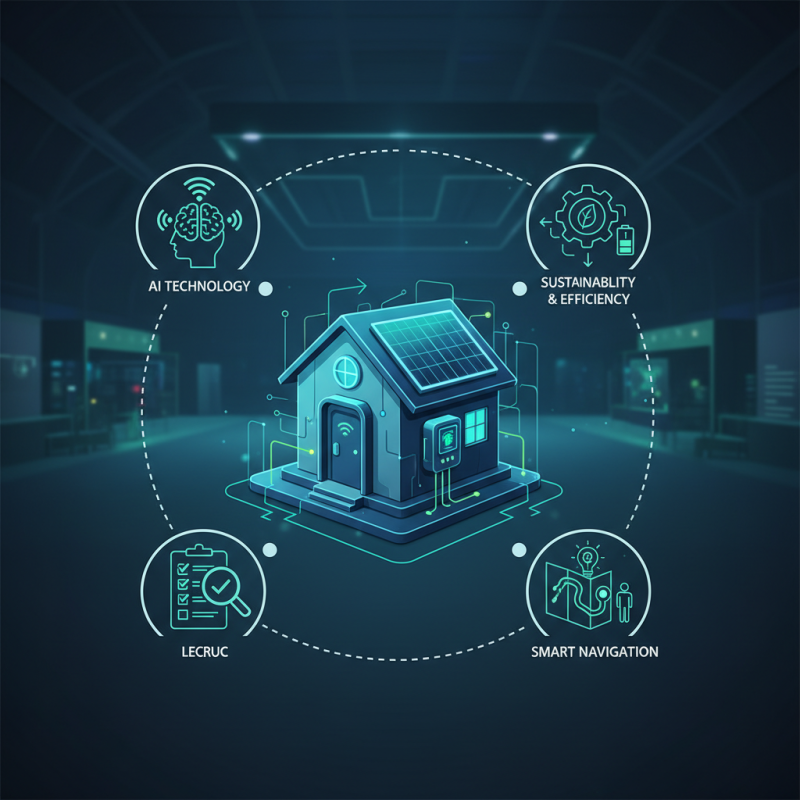
The 139th Canton Fair in 2026 will present an exciting opportunity for innovation. A focus on advanced manufacturing and home energy management systems will illuminate the event. With the integration of AI technology, buyers can quickly identify suppliers that meet crucial certifications.
Home energy management systems are set to take center stage at this fair. Efficient solutions will attract attention as sustainability becomes a priority. Visitors can explore various products designed to optimize energy use in households. This aligns with a growing trend towards greener lifestyles. Yet, challenges remain. Not all systems are user-friendly or intuitive, leaving room for improvement.
Navigating a vast exhibition space of 1.55 million square meters can be daunting. AI smart searching and navigation technology will enhance the experience. It is a step forward, yet not without flaws. Some exhibitors may still face difficulties in showcasing their innovations effectively. Nonetheless, the potential for growth in home energy management is significant, inviting critical reflection on how we can improve.
China's Home Energy Management Systems: An Overview
Home energy management systems (HEMS) are gaining popularity in China. These systems help homeowners manage their energy use more efficiently. They can reduce energy costs and improve sustainability. With the rapid advancements in technology, HEMS offer various features, from real-time monitoring to automated controls.
At the Canton Fair 2026, a range of innovative HEMS will be showcased. Visitors can expect to see solutions for smart appliances and grid integration. These technologies often promise comfort and convenience. However, challenges remain. Many users may find the installation process complex and intimidating. Learning curves can hinder adoption.
Some solutions focus on data analytics to optimize energy usage. Yet, questions arise about data privacy and security. Not every homeowner feels comfortable sharing energy data online. There’s also the concern about long-term costs versus savings. The effectiveness of these systems depends on individual habits and preferences. It is crucial to evaluate if they truly fit one’s lifestyle before investing.
Significance of the Canton Fair for New Energy Technologies
The Canton Fair, a major event for global trade, plays a crucial role in promoting new energy technologies. Each year, it attracts thousands of exhibitors and buyers from around the world. In 2023, the fair reported a participation rate of over 70% for companies involved in green energy. This highlights the growing interest in sustainable solutions.
New energy technologies are evolving rapidly. According to a recent report by the International Energy Agency, investments in renewable energy are increasing at an annual rate of 15%. However, challenges remain. Industry experts note the need for improved efficiency in energy management systems. The way these systems integrate with existing infrastructures is a significant concern. Market response shows an urgent demand for innovation.
Despite the advancements, not all solutions meet expectations. Market feedback indicates that user experience with current energy management tools often falls short. Data suggests that 60% of users find these systems complex and unintuitive. This points to a critical area for developers to improve. There remains much work to be done before achieving seamless home energy management.
Growth of Home Energy Management Systems in China (2018-2025)
Top Innovations in Home Energy Management Presented at the Fair
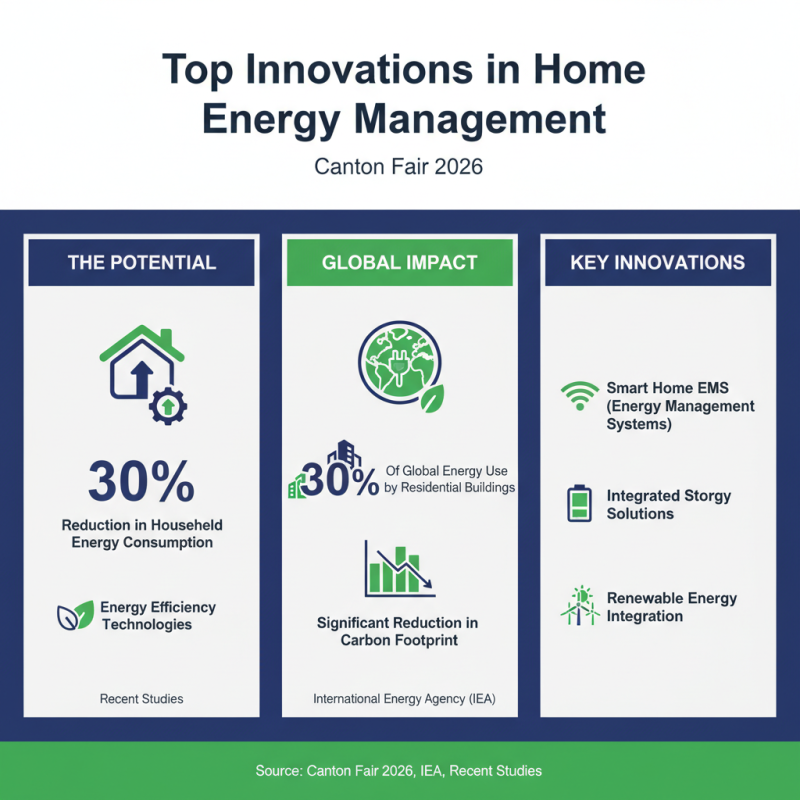
The Canton Fair 2026 promises to showcase groundbreaking innovations in home energy management systems. Recent studies suggest that energy efficiency technologies could cut household energy consumption by up to 30%. This is a significant reduction, considering that residential buildings account for nearly 30% of global energy use, as reported by the International Energy Agency.
Innovators at the fair are unveiling products that monitor and manage energy use in real-time. These systems often utilize smart sensors that adjust energy consumption based on user habits. However, not all products seamlessly integrate with existing home systems. Users may face challenges adapting their older home appliances to modern solutions.
Data analytics play a critical role in optimizing energy management. Reports indicate that intelligent algorithms can predict usage patterns, offering savings recommendations. Yet, there is still skepticism about data privacy. Many consumers worry about sharing personal usage information. This reflects a broader concern that needs addressing in the evolving landscape of home energy management.
Key Players in China's Home Energy Management Market
China's home energy management market is evolving rapidly. Recent statistics indicate that the market is projected to reach a value of $3 billion by 2025. This significant growth is primarily driven by increasing energy costs and a heightened awareness of energy efficiency. As more consumers aim to reduce their energy bills, the demand for effective home energy management systems has surged.
Key players in the industry are implementing innovative solutions. The integration of smart technologies plays a vital role. Advanced analytics ensures users optimize energy consumption. Many systems now provide real-time monitoring, allowing homeowners to track their usage patterns. However, the complexity of some systems may pose challenges for non-tech-savvy users. There’s a need for greater accessibility and user-friendliness in designs.
Additionally, research highlights that adoption rates vary across regions. Urban areas see higher integration compared to rural locations. This discrepancy hints at a potential barrier in technology outreach. Many families may lack the knowledge of available solutions. Raising awareness through community programs could bridge this gap. There is still much work to be done to fully realize the potential of home energy management systems in China.
Future Trends in Home Energy Management Systems in China
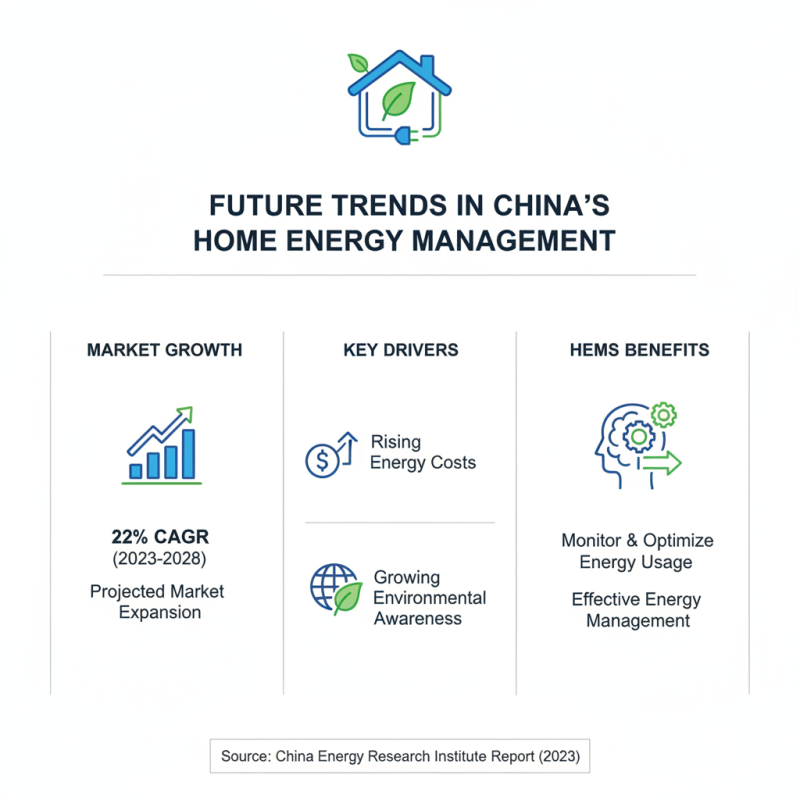
The future of home energy management systems (HEMS) in China looks promising yet challenging. According to a recent report by the China Energy Research Institute, the HEMS market is projected to grow at a compound annual growth rate of 22% through 2028. This growth is driven by rising energy costs and growing environmental awareness among consumers. HEMS allows homes to monitor and optimize their energy usage effectively.
However, the adoption of HEMS faces several hurdles. A survey indicated that 36% of homeowners are unaware of these systems. Additionally, only 25% expressed willingness to invest in smart technology for their homes. There is a gap between awareness and action. Many people remain hesitant to embrace change. The technology needs to be user-friendly and accessible. Cost remains a concern for many households.
Furthermore, as urban areas expand, energy demand increases. The challenges of integrating renewable energy sources must be addressed. Improving strategies and systems could help mitigate these issues. The focus should be on educating consumers about benefits and functionality. Continuous innovation is required to enhance energy efficiency and sustainability.