Home energy audit cost can feel unclear before an auditor arrives. Prices may range from about $200 to $600 for a professional assessment, depending on location, home size, and testing depth. Some utilities offer rebates, while others provide basic checks at no charge. A careful homeowner should compare the final price, included services, and possible follow-up fees.
Energy-efficiency expert Amory Lovins is widely credited with saying, “The cheapest energy is the energy you don’t use.” That idea makes an audit more practical. A blower-door test, infrared scan, or duct inspection can reveal costly air leaks around windows, attic hatches, and recessed lights. Still, an audit is not automatically valuable. A vague report may leave you with expensive recommendations and no clear priorities.
This guide explores seven realistic ways to lower home energy audit cost without sacrificing useful information. You will learn how to use utility programs, request focused testing, compare certified professionals, and prepare your home before the visit. We will also examine when a low-cost audit may be too limited. That distinction matters.
An audit should support better decisions, not create pressure. Small details count. A missing rebate can change the final bill. An overlooked attic hatch can distort the results. Costs and savings also vary widely, so the examples here are practical rather than guaranteed. Check local program rules, ask for written pricing, and question recommendations that lack measurements. A little skepticism helps.
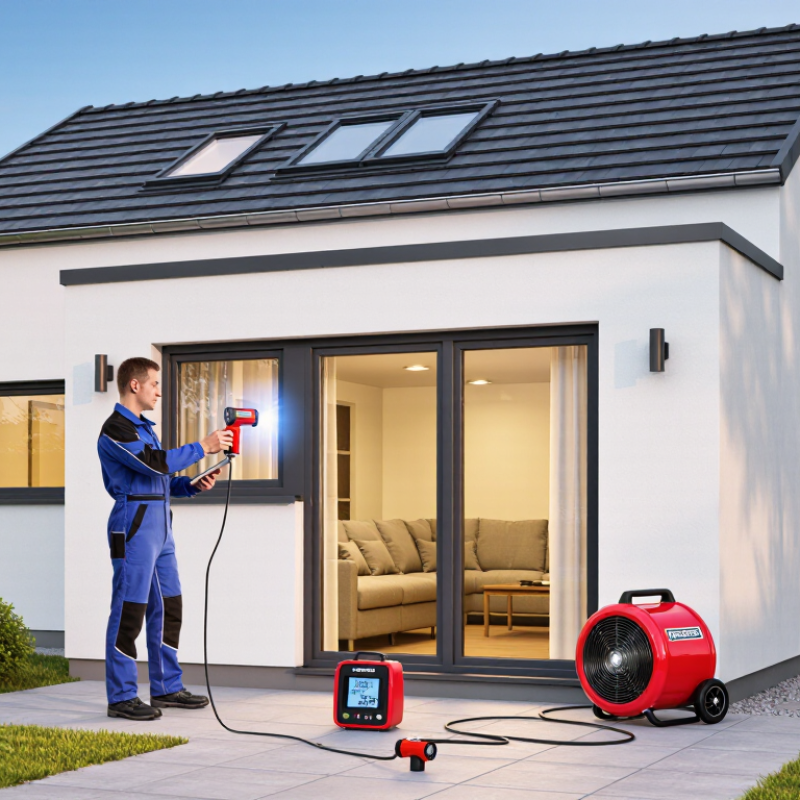
A home energy audit is more than a quick look at your utility bill. A qualified auditor usually reviews twelve months of energy use, insulation levels, windows, doors, ducts, heating equipment, cooling systems, and water heating. The visit may include a blower door test, infrared camera images, and safety checks around combustion appliances. You may feel drafts near a basement window or see cold patches on a ceiling.
Seven practical ways can reduce the audit cost. Compare at least three local quotes, ask for a limited audit, and request an off-season appointment. Check whether a utility provider or local authority offers rebates. Share your recent bills, renovation plans, and known problem areas before the visit. Choose a remote document review when a full inspection is unnecessary. Ask whether neighboring homeowners can schedule visits together. Confirm the report’s exact contents before paying.
The final report should identify air leakage, estimated heat loss, repair priorities, and possible savings. It should also separate measured results from general assumptions. That distinction matters. Some auditors use advanced equipment, while others provide only visual advice. A cheaper inspection may miss duct leakage hidden above a hallway ceiling. My practical concern is simple: homeowners can chase impressive thermal images without checking safety or payback periods. Ask for photographs, test readings, recommended actions, and realistic cost ranges. Estimates still vary with weather, building age, and occupant habits. Even a careful audit cannot predict every future bill.
7 Best Ways to Lower Home Energy Audit Cost
Compare auditor qualifications before comparing prices. Look for recognized building-performance certification, liability insurance, and recent local experience. A low fee means little if the report misses duct leakage or unsafe combustion appliances. Ask for a sample report. Check whether it includes blower-door testing, infrared scanning, utility-bill review, and repair priorities. Some basic visits exclude testing, creating extra costs later.
Request three itemized quotes. The U.S. Department of Energy reports that professional home energy assessments commonly cost about $200 to $600. Confirm travel fees, follow-up visits, and tax documentation charges. Ask whether rebates reduce the audit price. Compare hourly rates carefully. A detailed two-hour inspection may offer more value than a cheaper visual walkthrough. Also ask if the auditor recommends contractors, and whether that relationship affects recommendations.
Use recent utility bills to shorten the inspection. Prepare floor plans, appliance ages, and rooms with drafts. Group nearby homes with neighbors when possible. Some auditors may offer a modest shared-visit discount. Choose a digital report with measured findings, not vague advice. The Lawrence Berkeley National Laboratory has found that energy-saving programs often produce variable results, partly because predicted savings differ from actual household behavior. That should make you cautious. I once treated the cheapest quote as the smartest choice; it was not. The report lacked measurements, and a second inspection cost more.
| Cost-Saving Approach | Auditor Qualification to Look For | Services Included | Typical U.S. Price Range | Potential Cost Reduction | Best Use Case | Quality Check |
|---|---|---|---|---|---|---|
| 1. Request a Basic Walk-Through Audit | Documented residential energy-audit training and local building-system experience | Visual inspection, utility-bill review, basic insulation and HVAC assessment, written recommendations | $100–$250 | Often 30%–60% less than a diagnostic audit | Smaller homes, rental properties, or homeowners seeking a first review | Good for low-cost screening |
| 2. Compare at Least Three Itemized Quotes | Auditor provides a written scope, credentials, insurance information, and references | Comparable pricing for inspection time, testing, report preparation, travel, and follow-up | Usually no extra cost | May reduce the selected service price by about 10%–25% | Useful when local providers offer different service packages | Check that scopes are genuinely comparable |
| 3. Choose a Certified Diagnostic Auditor | Recognized home-energy certification, building-performance training, and current safety knowledge | Blower-door testing, air-leakage investigation, infrared inspection when appropriate, and detailed report | $300–$700 | Can prevent spending on ineffective insulation or air-sealing work | Older, drafty, multi-level, or high-energy-use homes | Best value when recommendations need evidence |
| 4. Schedule During a Local Rebate or Utility Program | Auditor meets the program’s participation and reporting requirements | Program-compliant audit, required measurements, documentation, and rebate paperwork when offered | $0–$400 after incentives | Some programs reimburse part or all of the audit fee | Homeowners who qualify by location, income, property type, or utility account | Verify eligibility before booking |
| 5. Bundle the Audit With Planned Work | Auditor understands HVAC, insulation, ventilation, and moisture interactions | Audit plus targeted evaluation before insulation, heat-pump, window, or ductwork upgrades | $250–$650 when bundled | May avoid a second site visit and duplicate diagnostic fees | Projects involving several energy upgrades at the same time | Confirm the auditor is independent of the installer |
| 6. Provide Utility Bills and Home Details in Advance | Auditor uses consumption analysis and can explain weather and occupancy effects | Pre-audit questionnaire, 12-month utility review, floor-area analysis, and prioritized inspection | $0–$100 preparation charge | May shorten on-site time and reduce avoidable follow-up work | Homes with unusually high bills or seasonal energy spikes | Have at least 12 months of bills if available |
| 7. Select a Digital Report With Remote Follow-Up | Qualified auditor provides clear calculations, photos, and practical implementation guidance | Electronic report, prioritized action list, estimated savings, and one remote consultation | $200–$500 | Often costs less than printed reports and multiple in-person visits | Homeowners comfortable collecting documents and reviewing digital results | Confirm testing is included if diagnostic results are needed |
| Pricing note: These are general U.S. residential estimates, not fixed quotes. Final pricing varies by home size, location, travel distance, testing equipment, report detail, and local incentive programs. A lower-cost audit should still clearly state its scope, testing methods, deliverables, and any follow-up charges. | ||||||
A professional audit can cost less when local programs share the expense. Check your city, county, and electric or gas utility websites before booking. Many offer free assessments, discounted audits, or rebates after a blower-door test. The U.S. Department of Energy recommends testing air leakage because small gaps around attic hatches, ducts, and basement pipes can waste substantial energy. Ask whether the program requires an approved auditor, income qualification, or pre-approval.
Tax rules also matter. Federal home-efficiency incentives have changed, and some programs may expire or carry annual limits. Confirm eligibility through current government guidance before paying. The Internal Revenue Service has linked qualifying energy assessments to credit rules in recent years, but a receipt alone may not be enough. Keep receipts. Keep the audit report.
Utility programs often reward the improvements found during the inspection. A $200 audit might unlock rebates for insulation, duct sealing, heat pumps, or smart controls. The American Council for an Energy-Efficient Economy reports that well-designed efficiency programs can reduce household energy use while helping lower energy burdens. The U.S. Energy Information Administration’s Residential Energy Consumption Survey also shows that heating and cooling remain major household energy expenses. Still, projected savings are not guaranteed. Occupancy, weather, and behavior can change results. I would compare at least two written estimates and ask for savings calculations, not optimistic promises. A cheaper audit is not useful if it misses moisture, combustion safety, or ventilation problems.
7 Best Ways to Lower Home Energy Audit Cost
Prepare Your Home to Reduce Audit Time and Costs
A professional home energy audit often costs about $200–$600, according to the U.S. Department of Energy. Preparation can shorten the visit and improve the report. Start by collecting twelve months of utility bills. Mark rooms that feel cold, dusty, or unusually humid. Write down noisy equipment and recurring comfort problems. These details help the auditor test likely trouble spots instead of guessing.
Clear access to the attic, crawl space, electrical panel, furnace, water heater, and windows. Move stored boxes first. Replace a severely clogged air filter, but do not repair equipment before testing. Secure pets and unlock utility areas. Check visible duct joints, window gaps, and door sweeps. Do not seal anything yet. A rushed fix can hide evidence. Photograph damaged insulation and note recent renovations. If possible, schedule the audit when heating or cooling equipment can operate safely.
The 2020 Residential Energy Consumption Survey reported that space heating used about 42% of household energy, while water heating used about 19%. That makes heating equipment, ducts, insulation, and hot-water lines useful inspection targets. Ask for blower-door testing and infrared scanning when conditions permit. These tests can locate leakage more precisely. A common mistake is cleaning the house only for appearances. Auditors need access, not perfection. Some preparation still fails. That is useful information. It shows where instructions were unclear. A written room-by-room concern list may prevent a second visit and its added labor charge.
Estimated auditor time avoided by preparing your home before the visit.
Clear access to equipment, organized utility bills, and a list of comfort problems can reduce duplicate work during an audit. The figures are practical planning estimates in minutes; actual savings vary by home size, accessibility, and audit scope.
Before approving any extra energy service, read the audit report like a repair estimate. Check whether it includes blower-door readings, infrared images, insulation depth, and ventilation notes. These details show what was measured, not merely what the auditor suspects. Ask for the exact problem, expected savings, installation cost, and testing method. Vague promises deserve a pause. Reliable professionals can explain their calculations in plain English. However, energy savings are estimates, not guarantees.
Compare the findings with your utility bills and daily comfort. If one bedroom feels cold, but the report only recommends replacing the furnace, question the connection. Check the attic hatch, duct joints, window frames, and moisture marks yourself. Take photographs before moving furniture or approving work. A second opinion may cost less than one unnecessary upgrade. Ask whether a smaller repair could test the result first. For example, air-sealing a visible attic gap may be sensible before adding expensive equipment. Still, do not seal areas that require controlled ventilation. Safety changes the calculation.
Request two or three itemized quotes for recommended services. Each quote should separate labor, materials, permits, follow-up testing, and maintenance. That breakdown makes inflated add-ons easier to spot. Be careful with bundles that include services unrelated to measured problems. An audit can also be imperfect. Weather, occupant habits, and changing energy prices can distort projected savings. Ideally, schedule follow-up testing after repairs, then compare indoor comfort and actual bills. Do not pay for certainty the data cannot support.