Top 5 Best Sustainable Bicycles for 2026 Buyers Guide?
As the demand for eco-friendly transportation grows, selecting the right sustainable bicycle becomes crucial. In the words of Anna Green, a renowned expert in sustainable transportation, "Investing in the Best Sustainable Bicycle 2025 means choosing a future we can ride into." This quote encapsulates the ethos behind the movement toward greener bikes.
By 2026, understanding the features that define the best sustainable bicycles is essential. Riders need to consider materials, manufacturing practices, and the overall life cycle of a bicycle. Many options are available, but not all meet high sustainability standards. Experts emphasize that the best models balance performance and environmental responsibility.
While the market currently offers promising choices, buyers must evaluate their needs thoughtfully. Factors like the type of terrain and the frequency of use can influence decisions. Remember, sustainability shouldn’t compromise quality or reliability. As we look toward 2026, making informed decisions on the best sustainable bicycles will require diligence and a bit of reconsideration.
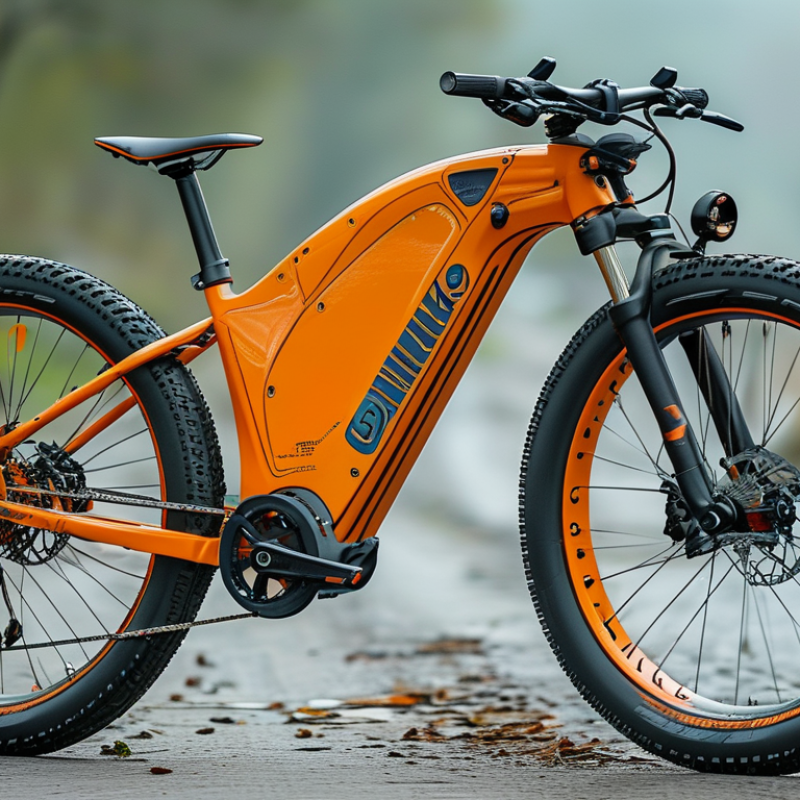
Criteria for Selecting Sustainable Bicycles in 2026
When selecting a sustainable bicycle in 2026, consider the materials used in construction. Bikes made from recycled metals or biodegradable composites have a lower environmental impact. Steel frames, for instance, can last longer and are often more recyclable than aluminum. This contributes to a circular economy that reduces waste.
Another important criterion is the energy efficiency of the manufacturing process. Factories that prioritize renewable energy sources and minimize carbon emissions reflect a commitment to sustainability. Check for certifications or reports from manufacturers that highlight their efforts in this area. It is easy to overlook these details, but they significantly impact the overall footprint of the bicycle.
Lastly, assess the lifecycle of the bicycle. A sustainable choice should also be repairable and customizable. Ensure that parts can be replaced or upgraded, extending the bike's usable life. Even with all these factors in mind, it's crucial to acknowledge that becoming more sustainable is an ongoing journey. Each decision made today can lead to better choices tomorrow.
Top 5 Sustainable Bicycle Brands to Consider
When searching for sustainable bicycles, it's crucial to consider brands that prioritize eco-friendly materials and practices. Look for those that utilize recycled components. This approach not only reduces waste but also promotes a circular economy. Check if the manufacturing process minimizes carbon footprints. Sustainable brands often embrace these principles wholeheartedly.
Here are some tips to remember. Evaluate the lifecycle of the bicycle. Understand how long it can last and its potential for recycling. A durable bike can be a wiser investment over time. Also, think about the maintenance needs. A bicycle that requires minimal parts replacement is usually more sustainable.
Many brands incorporate innovative technologies. Look for bicycles made from sustainable materials, such as bamboo or aluminum. These often have a lower environmental impact. Additionally, consider local manufacturers. Supporting local businesses can significantly reduce transportation emissions. This small choice can lead to a larger positive impact on the environment. Reflect on these aspects when making your purchase decision.
Top 5 Best Sustainable Bicycles for 2026 Buyers Guide
| Model | Frame Material | Weight (lbs) | Price ($) | Eco-Friendliness Rating |
| Model A | Recycled Aluminum | 25 | 1200 | 9/10 |
| Model B | Bamboo | 22 | 1400 | 8/10 |
| Model C | Recycled Steel | 28 | 1100 | 10/10 |
| Model D | Aluminium/Carbon Composite | 24 | 1600 | 7/10 |
| Model E | Natural Fiber | 21 | 1300 | 9/10 |
Innovative Materials Used in Sustainable Bicycle Manufacturing
Sustainable bicycles are becoming more important for eco-conscious riders. Innovations in materials are pushing the industry forward. Manufacturers are exploring options that reduce environmental impact, while still providing quality performance.
One notable trend is the use of recycled aluminum. This lightweight metal offers durability and strength. It also helps minimize waste by repurposing old bikes and materials. Additionally, bamboo is gaining attention. It’s strong, lightweight, and naturally renewable. The growth cycle of bamboo is quick, making it a viable option for sustainable bike frames.
Another interesting development involves bioplastics. These materials are derived from renewable resources like corn or sugarcane. They offer a lower carbon footprint compared to traditional petroleum-based plastics. However, challenges remain in performance and longevity. Balancing sustainability with durability requires ongoing research and testing. The future of sustainable bicycles will depend on these innovative materials finding the right applications and performance standards.
Environmental Impact of Choosing Sustainable Bicycles
Choosing sustainable bicycles significantly reduces environmental impact. Traditional bicycles rely on materials that can be harmful. In contrast, sustainable options use eco-friendly materials, such as recycled aluminum and bamboo. This can lead to less waste and a lower carbon footprint.
Tips: Look for bicycles made with recyclable components. Consider those that utilize eco-conscious manufacturing processes.
Manufacturers increasingly adopt sustainable practices, but not all bicycles are created equal. Each purchase decision helps shape a greener future. Researching materials and sourcing can be enlightening. The journey toward understanding environmental impact starts with informed choices.
Tips: Explore local brands that prioritize sustainability. Ask about their production methods and lifecycle of the bicycle. Small steps matter.
Comparative Analysis of Price and Performance for Sustainable Bikes
When considering sustainable bicycles, understanding the balance between price and performance is crucial. A recent industry report shows that sustainable bikes often range from $500 to $3,000. This price variance reflects differences in materials, components, and technology. Entry-level models tend to use basic recycled materials, while high-end options incorporate advanced eco-friendly materials.
Performance metrics are equally important. For instance, lightweight frames can enhance speed and efficiency. A study found that aerodynamic designs improve rides by up to 15% over traditional designs. However, some buyers may find budget models offer adequate performance for casual cyclists. These bikes often have heavier frames and less efficient transmission systems.
Wear and tear over time is another factor. Cheaper bikes may require more frequent maintenance, leading to additional costs. Meanwhile, premium bikes often come with warranties and longer-lasting components. Buyers must weigh these long-term costs against the initial purchase. Understanding this balance is key to making informed decisions in sustainable cycling.
