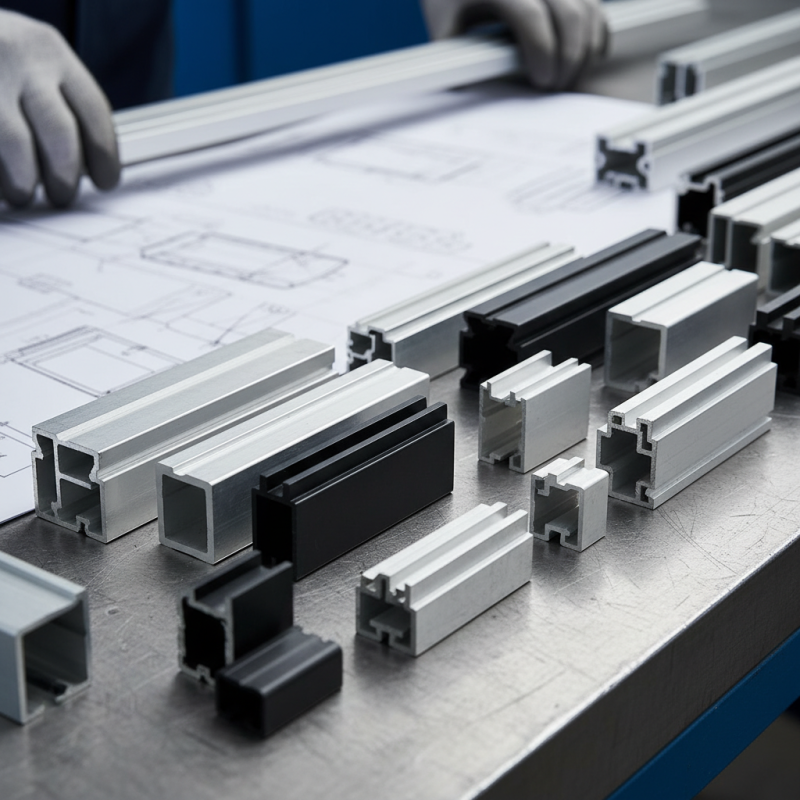
2026 Best Aluminum Extrusion Profiles for Global Buyers?
In the world of manufacturing, choosing the right Aluminum Extrusion Profile is crucial. These profiles are essential for various applications, from construction to consumer goods. A high-quality extrusion can enhance product performance and longevity.
Many global buyers seek reliable suppliers. They want profiles that meet their specific needs. Factors like material strength, design flexibility, and surface finish come into play. The best profiles adapt to different project requirements.
However, it's not always clear how to choose the right one. This selection process can be overwhelming. Understanding the differences between profiles is essential. Buyers must consider both quality and cost. After all, the right Aluminum Extrusion Profile can make a significant difference in long-term success.
Key Characteristics of Top Aluminum Extrusion Profiles
Aluminum extrusion profiles are widely used across various industries due to their unique characteristics. Superior strength, lightweight nature, and resistance to corrosion make them ideal for construction, automotive, and aerospace applications. These profiles can be customized easily, allowing manufacturers to meet specific design requirements. Durability is another crucial aspect; when exposed to harsh environments, high-quality extrusions maintain their integrity over time.
In terms of thermal conductivity, aluminum is unmatched. This quality ensures efficient heat transfer, which is vital in electronic enclosures. Additionally, the aesthetic flexibility of aluminum profiles allows for various finishes, enhancing their visual appeal. However, not all profiles are created equal; some may lack the necessary specifications for particular applications. It’s essential to evaluate the end use carefully.
Some companies overlook the importance of sourcing materials from trusted suppliers. This oversight can lead to subpar performance in finished products. Conducting thorough research on potential suppliers is critical. Understanding the intricacies of aluminum extrusion technology can help buyers make informed decisions. Ultimately, focusing on quality and performance will yield the best results.
2026 Best Aluminum Extrusion Profiles for Global Buyers
| Profile Type | Applications | Key Characteristics | Standard Length (m) | Weight (kg/m) |
| T-Slot Profile | Modular Frames, Workstations | Versatile, Easy Assembly | 6 | 1.5 |
| Hollow Tube | Furniture, Architecture | Lightweight, High Strength | 6 | 2.2 |
| Angle Profile | Support Structures, Railings | Strong, Durable | 6 | 2.8 |
| Flat Bar | Frames, Brackets | Versatile, Cost-Effective | 6 | 3.0 |
| Round Tube | Piping, Handrails | Aesthetic, Strong | 6 | 2.5 |
Popular Aluminum Extrusion Profiles for Different Industries
Aluminum extrusion profiles are diverse, catering to various industries. For instance, transportation relies on lightweight profiles for efficiency. According to a recent market analysis, the global aluminum extrusion market is expected to reach over $100 billion by 2026, indicating the growing demand across sectors.
In the construction industry, aluminum profiles provide structural integrity and aesthetic appeal. Architectural designs often utilize these profiles for window frames, facades, and roofing systems. This versatility allows architects to create innovative designs while ensuring durability. Data from industry reports suggest that construction accounts for over 40% of aluminum extrusion usage.
Tips: Always consider the specific requirements of your project. Ensure that the chosen profile meets both strength and design needs. Evaluate options based on cost-effectiveness and industry trends.
The automotive sector also benefits from aluminum extrusion. Lightweight components improve fuel efficiency and reduce emissions. Yet, some manufacturers struggle with cost and recycling challenges. As demand grows, companies must adapt to these pressures while maintaining quality.
Factors to Consider When Choosing Aluminum Extrusion Profiles
When selecting aluminum extrusion profiles, there are several crucial factors to consider. The intended application plays a significant role. For instance, profiles used in construction must meet specific load-bearing requirements. According to a report by the Aluminum Association, the construction sector accounts for nearly 30% of aluminum demand, making it essential to choose profiles that enhance structural integrity.
Material quality is another key aspect. High-quality aluminum alloys, such as 6061 and 6063, offer superior strength and corrosion resistance. A study by the International Aluminum Institute notes that the global extrusion market is projected to reach $20 billion by 2026, highlighting the competitive landscape for sourcing. Buyers should inquire about the alloy composition and certification to ensure reliability.
Tip: Always request samples before finalizing your order. This helps evaluate whether the profile meets your specific demands.
Additionally, consider the manufacturing process. The extrusion method can affect finishes and tolerances. For example, profiles made through precision extrusion may provide tighter tolerances, essential for applications requiring exact specifications.
Tip: Gather feedback from other users in your industry. This insight can guide better purchasing decisions.
Finding the right aluminum extrusion profile involves careful assessment. Reflecting on these factors can significantly influence project outcomes.
Emerging Trends in Aluminum Extrusion Technology for 2026
The aluminum extrusion industry is witnessing exciting advancements as we approach 2026. One emerging trend is the integration of smart manufacturing processes. Automated systems can improve efficiency and reduce waste. This trend allows manufacturers to adapt to changing market demands quickly. A digital approach enhances precision and minimizes errors, leading to higher quality products.
Sustainability is another focal point. Companies are exploring eco-friendly materials and energy-efficient production methods. Recycled aluminum usage is on the rise, which minimizes the carbon footprint. The need for lightweight, durable, and sustainable materials aligns with global environmental goals.
However, these advancements pose challenges. The cost of implementing new technology can be prohibitive for some manufacturers. There’s also a learning curve associated with the adoption of these innovations. Furthermore, the availability of skilled labor remains a concern. Balancing innovation with practical limitations will be crucial as the industry evolves.
Sourcing and Buying Tips for Global Buyers of Aluminum Profiles
When sourcing aluminum extrusion profiles, buyers must prioritize quality and reliability. According to industry reports, the global aluminum extrusion market is projected to reach $150 billion by 2026. This growth underscores the importance of selecting trustworthy suppliers who meet rigorous standards. Engaging with manufacturers that follow ISO certifications can enhance reliability.
Buyers should also consider the technical specifications required for their projects. Different applications demand varying alloy compositions and profile geometries. A recent study indicated that 70% of buyers faced challenges in matching extrusion profiles to their project needs. This highlights the need for in-depth discussions with suppliers, focusing on material properties and production capabilities.
Understanding market trends is crucial. The demand for lightweight materials continues to rise, driven by industries like automotive and construction. However, not all suppliers stay current with these changes. Some might offer outdated profiles or fail to innovate. Collaborating with suppliers actively involved in R&D can provide a competitive edge. Engaging in ongoing dialogue with potential partners can reveal insights into their development processes and product offerings. This approach ensures that buyers are making informed decisions while navigating a complex market.