Best 7kw EV Car Charger at 2026 Canton Fair for Global Buyers?
The automotive industry is rapidly evolving, particularly in the electric vehicle (EV) sector. According to a report by the International Energy Agency, global EV sales reached over 6.6 million units in 2021, reflecting a growing demand for efficient charging solutions. As the market expands, a well-functioning charging infrastructure becomes crucial. The 7kw Ev Car Charger stands out, offering a balance of speed and efficiency for consumers and businesses alike.
At the 2026 Canton Fair, global buyers can explore various 7kw EV car charger options, catered to meet industry standards such as ISO and CE certifications. This fair promises enhanced navigation through AI features, enabling buyers to efficiently connect with qualified suppliers. The spotlight on advanced manufacturing and new energy solutions emphasizes the importance of innovation in this field.
While advancements are noteworthy, challenges remain. For instance, the range of charging options can overwhelm buyers. Additionally, the incorporation of AI is still in its infancy, leaving some gaps in user experience and functionality. As the industry pushes forward, reflecting on these imperfections will be key to enhancing overall market readiness and customer satisfaction.
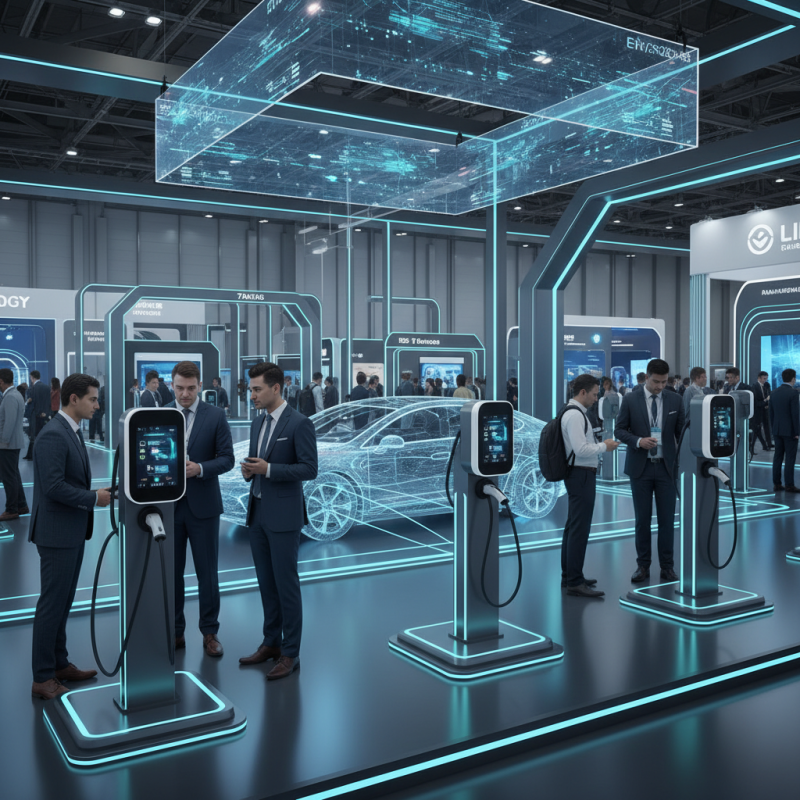
Overview of 7kw EV Chargers Featured at the 2026 Canton Fair
The 2026 Canton Fair highlights various 7kw EV chargers. These chargers are designed for ease of use and fast charging. They target a growing market of electric vehicles. Buyers can expect innovative features and improved efficiency.
Many chargers featured at the fair emphasize smart technology. Some include mobile app connectivity, allowing users to monitor charging. Others offer compatibility with multiple vehicles. This adaptability is crucial for today's diverse EV landscape. However, not all chargers are user-friendly, which can frustrate customers.
Pricing is a key concern as well. Some products may lack competitive pricing, making them less appealing to buyers. Moreover, a few models showcased have bulky designs, hindering installation in compact spaces. Finding a balance between functionality and design remains a challenge. Buyers should assess their needs carefully.
Best 7kw EV Car Charger at 2026 Canton Fair for Global Buyers
| Model | Output Power (kW) | Charging Time (Hours) | Compatibility | Features |
| Model A | 7.0 | 4-6 | Type 2 | Smart Charging, App Control |
| Model B | 7.2 | 5-7 | Type 1 & Type 2 | LED Display, Weather Resistant |
| Model C | 7.4 | 6-8 | Type 2 | Compact Design, Fast Charging |
| Model D | 7.0 | 4-5 | Type 2 | Mobile App Integration, Voice Command |
| Model E | 7.0 | 5-7 | Type 1 | Eco Mode, Scheduling Feature |
Key Features to Look for in a 7kw EV Car Charger
When considering a 7kw EV car charger, certain features are essential. One key aspect is compatibility. Ensure the charger works with various electric vehicle models. It should support multiple charging standards. This versatility is crucial for global buyers.
Another important feature is charging speed. A 7kw charger typically provides a decent charging rate. However, check if it can deliver that power consistently. Some chargers may struggle under heavy usage. Performance can vary, leading to potential downtime.
Tips: Look for user reviews. They can reveal performance insights that specs don’t show.
Durability is also vital. A robust design withstands outdoor conditions. Weather-resistant materials can help. Yet, some chargers fail under harsh environments. Assessing build quality is necessary for long-term use.
Tips: Investigate warranty options. A good warranty suggests confidence in the product's durability.
Finally, ease of installation matters. Some chargers are simpler to set up than others. Complicated setups can cause delays. Some users may find themselves frustrated with tricky installations. Choose models with clear instructions.
Leading Brands Showcasing 7kw EV Chargers at the Fair
As the 2026 Canton Fair approaches, global buyers are eagerly anticipating the spotlight on 7kW EV chargers. This year's fair promises a diverse showcase of innovative products, capturing the growing demand for electric vehicle infrastructure. Many manufacturers will display their latest models, emphasizing efficiency and design. Attendees can expect a range of sizes and features, catering to different market needs.
Visitors will find that the emphasis is not just on performance, but also on usability. Some designs may appear bulky, raising questions about space limitations in urban environments. Interactivity with mobile apps is increasingly common, yet not all brands offer seamless integration. A few chargers face criticism for their slow charging speed compared to competitors. Buyers will need to weigh these factors when considering options.
Additionally, sustainability remains a focal point at the fair. Brands are exploring eco-friendly materials, but some products still rely on traditional resources. This approach invites scrutiny and calls for further innovation. As global awareness around climate issues grows, buyers should consider not just the product but its environmental impact. Overall, this year's fair will provide an insightful platform for discussions on the future of EV charging solutions.
Best 7kw EV Charger Performance at 2026 Canton Fair
This chart illustrates the charging efficiency and compatibility ratings of different 7kw EV chargers showcased at the 2026 Canton Fair. Each charger is evaluated based on performance and customer feedback, highlighting their importance for global buyers.
Comparative Analysis: 7kw Chargers vs. Other Power Ratings
In the rapidly evolving electric vehicle (EV) market, the charger’s power rating holds significant importance. A 7kw EV charger offers a balanced charging speed suitable for most residential and commercial needs. According to recent industry reports, 7kw chargers can fully charge an EV in approximately 4-6 hours, making them ideal for overnight charging.
When compared to lower power ratings like 3.7kw, the benefits become clearer. While a 3.7kw charger can take up to 8-10 hours to charge an EV fully, the added efficiency of a 7kw charger is undeniable. Most users appreciate this time-saving feature, especially in busy urban environments. However, it's essential to recognize that not every buyer needs a higher-rated charger. For some, charging speed isn’t a priority.
On the other hand, higher power ratings, such as 11kw or 22kw, may overwhelm residential installations due to increased costs and installation complexity. A report from the Electric Power Research Institute indicates that many homeowners opt for 7kw chargers, but this choice reflects a balance of cost, convenience, and available infrastructure. Potential buyers must consider their actual usage patterns and power availability, leading to necessary reflections on personal needs versus market trends.
Buying Tips for Global Buyers at the Canton Fair 2026
When attending the Canton Fair in 2026, global buyers will encounter a diverse array of 7KW EV chargers. Understanding market trends can enhance purchasing decisions. According to a recent industry report, demand for electric vehicle chargers is projected to grow by 25% annually through 2028. Navigating the fair with data in mind will provide an edge.
Consider compatibility first. Not all chargers work universally. Research local standards in different markets. Many exhibitors offer a range of specifications. This requires keen attention. It’s essential to ensure that the selected charger meets specific regional needs. Also, gauge the build quality. A cheaper option might lack durability. Analyze both cost and lifespan.
Buyers should also ask suppliers about certifications. Product certifications ensure safety and reliability. Some manufacturers may claim to meet standards but fall short. Verifying this can prevent future issues. Additionally, inspect warranty terms closely. A solid warranty reflects confidence in the product. Always weigh short-term savings against long-term value. A careful approach now can lead to better results down the line.
