Obtaining an energy audit for home is a crucial step for homeowners. It helps identify energy inefficiencies and potential improvements. James Anderson, an energy efficiency expert, emphasizes, “An energy audit can reveal hidden savings.” This statement highlights the importance of understanding your home’s energy usage. Many homeowners overlook these audits, missing out on significant benefits.
A detailed energy audit for home can uncover issues like air leaks, insulation gaps, and outdated appliances. These factors often lead to unnecessary energy expenses. Homeowners can make informed decisions after receiving audit results. The process can feel overwhelming. However, addressing these issues methodically is essential for long-term savings.
Investing in an energy audit for home can yield remarkable results. Homeowners may see lower utility bills and a more comfortable living environment. Yet, some may delay or ignore this step, thinking it is unnecessary. This mindset can lead to continuous waste and higher costs. Reflecting on the need for an energy audit might be challenging, but the rewards are worth the effort.

Energy audits are essential for homeowners seeking to improve efficiency. These audits assess energy use and identify areas of waste. According to the U.S. Department of Energy, homes can lose up to 30% of energy through inefficient systems. Understanding these audits can lead to significant savings.
Homeowners should know about common audit tools. Blower doors test air leaks, helping locate drafts. Infrared cameras find hidden insulation issues. This insight empowers homeowners to make informed decisions about upgrades. Each improvement can save hundreds annually on energy bills.
**Tip:** Schedule an audit before winter. Reducing heating costs is crucial for comfort.
The process may seem overwhelming. Some homeowners fear the costs involved. However, many local programs offer incentives for energy-efficient upgrades. Understanding these resources can lead to better financial planning.
**Tip:** Research available rebates in your area. These can offset initial costs significantly.
Embracing energy audits can enhance home value and sustainability. They not only contribute to lower bills but also foster a more eco-friendly lifestyle. Taking the step towards an audit is a proactive move for any homeowner.
An energy audit helps homeowners find where energy loss occurs. This process identifies drafts, insulation issues, and inefficient appliances. Often, people overlook simple areas, like windows and doors. Seal these gaps for immediate savings.
Tips: Check window frames and caulking. Shaky door seals can waste a lot. Sometimes, it's as easy as applying weather stripping.
Inattentive homeowners may miss hidden leaks. An energy audit shows these areas. Attics and basements often harbor insulation problems. Insufficient insulation leads to heat loss. Over time, this extra energy use adds up.
Tips: Inspect insulation in your attic. Look for gaps or compression. A little maintenance can go a long way. Don’t forget to assess your heating system too. It might be working too hard.
Homeowners often overlook the advantages of an energy audit. Conducting one can lead to significant financial benefits. According to the U.S. Department of Energy, homes that implement energy-saving measures can save anywhere from 5% to 30% on energy bills yearly. These savings can add up, making a noticeable difference in your budget.
Investing in an energy audit is not just about immediate savings. Many homeowners are unaware that outdated appliances or poor insulation can inflate energy costs. A study by Energy Star revealed that inefficient homes waste up to 30% of the energy they consume. Identifying these issues can lead to replacements that promise long-term savings. For example, switching to LED lighting can cut lighting costs by up to 75%.
Yet, the process is not without its flaws. Some audits may overlook hidden problems, leading to incomplete solutions. Homeowners might face upfront costs that feel daunting. Still, the potential for increased efficiency and financial savings outweighs these concerns. On average, an energy audit pays for itself within a few years through reduced energy bills.
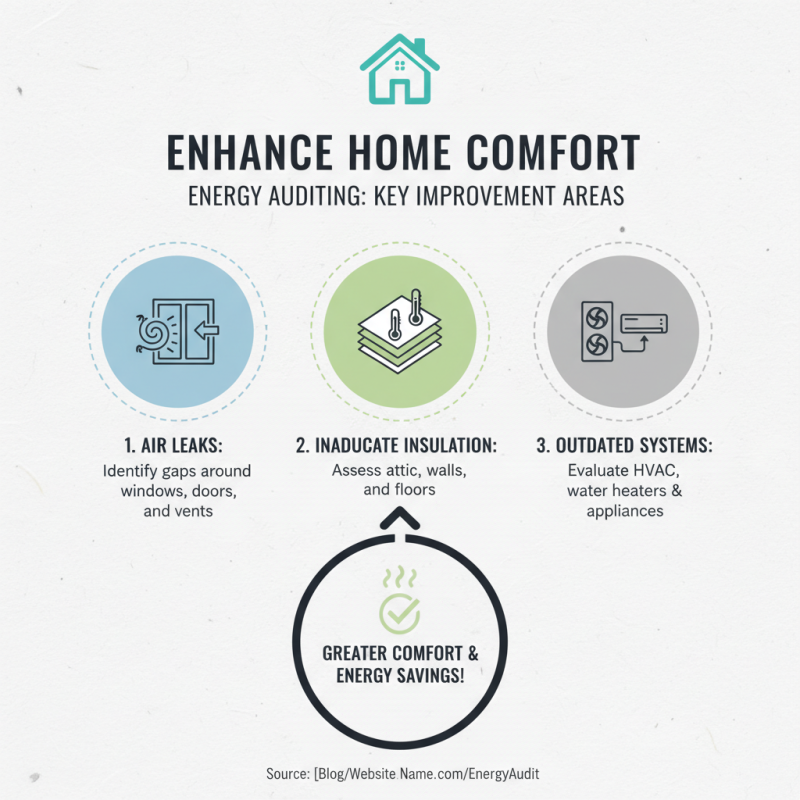
Energy auditing plays a crucial role in enhancing home comfort. Many homeowners underestimate the impact of air leaks, inadequate insulation, and outdated systems. By identifying these issues, an energy audit can pinpoint areas for improvement.
When discomfort lingers, it’s often due to temperature fluctuations. Drafty windows and doors can let in cold air during winter. An auditor can find these problem spots. They assess insulation levels and recommend upgrades that increase thermal efficiency. This means a more stable indoor climate.
Another area of focus is energy consumption. Inefficient appliances waste energy and drive up bills. An audit reveals the real culprits and suggests energy-efficient options. Homeowners can rethink their choices and embrace change. Better decisions lead to savings and comfort over time.
An energy audit is a crucial step for homeowners looking to enhance their property's value. By identifying areas where energy is wasted, you can make informed choices about upgrades. These improvements can make your home more appealing to buyers. Energy-efficient homes often attract higher offers and sell faster.
Adding insulation, upgrade windows, and sealing drafts can dramatically boost home value. This doesn't just save energy; it enhances comfort. Buyers increasingly look for energy-efficient features. Investing in an energy audit can provide a roadmap for enhancements.
Tip: When planning upgrades, focus on areas that yield the best returns. Kitchen and living space improvements often top the list. Don't overlook small fixes, like LED lighting or programmable thermostats. These simple changes add up.
Tip: Try to think critically about your current energy usage. What really needs improvement? Sometimes, the most critical changes are the ones we take for granted. Reflect on your current energy costs and prioritize upgrades that align with your budget.