2026 Top Home Textile Fabrics You Need to Know About?
As we look ahead to the fabrics that will dominate the home textile fabric industry in 2026, insights from experts are invaluable. Renowned home textile expert, Dr. Lisa Morgan, states, "The right fabric can transform a space." This sentiment is increasingly relevant as consumers demand both functionality and aesthetics in their homes.
The landscape of home textile fabrics continues to evolve. Sustainable materials are gaining popularity, reflecting a shift in consumer consciousness. Textures like soft cotton, durable linen, and luxurious silk will lead the charge. These fabrics not only enhance comfort but also add depth to interior spaces. However, understanding the right choice can be overwhelming for many.
Additionally, trends show a rising interest in technology-infused textiles. Smart fabrics that respond to environmental changes are on the horizon. While this innovation holds promise, it also raises questions. Are we ready to embrace these changes? The exploration of home textile fabric is more than just a choice; it’s a reflection of our living environments and values.
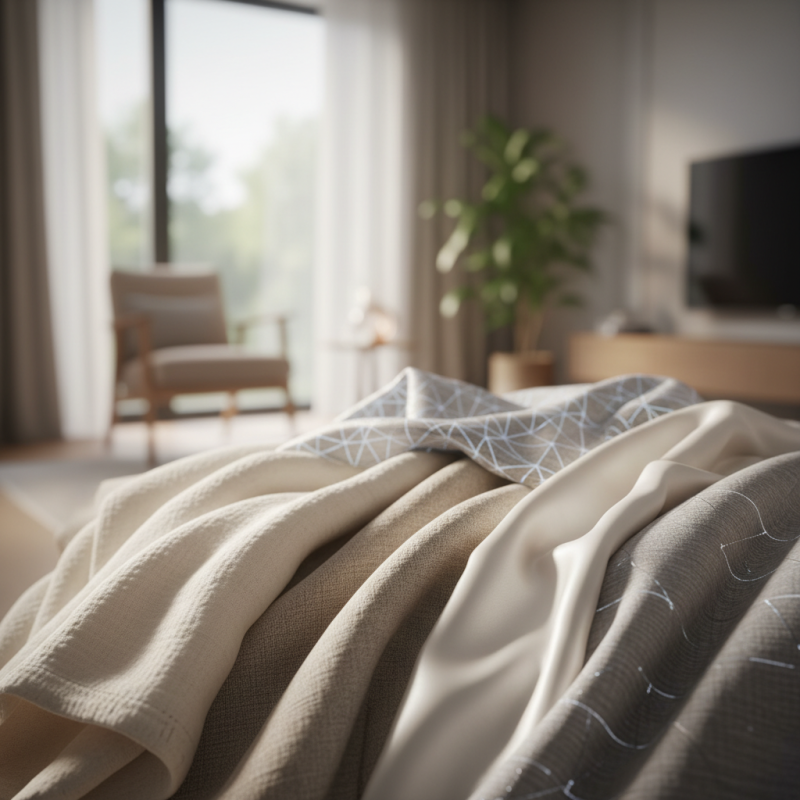
The Evolution of Home Textile Fabrics: A 2026 Perspective
The home textile industry is evolving rapidly. In 2026, fabrics will showcase more than aesthetics. They will merge smart technology with traditional materials. Imagine curtains that adjust transparency based on sunlight. Such innovations will redefine comfort and utility.
Sustainability remains central. Eco-friendly fabrics are no longer a trend; they are essential. Consumers demand textiles that reduce environmental impact. Organic and recycled materials will gain popularity. Yet, the challenge lies in mass production without compromising quality. Not all sustainable options meet consumer expectations.
Design trends will reflect personal expression. Bold colors and patterns will emerge, crafted from innovative materials. The rise of minimalism has left some longing for vibrancy. However, some designs may clash with existing home decor. Finding balance will be crucial. It’s a dynamic field, full of possibilities and hurdles.
Key Trends in Home Textile Fabrics for 2026
Home textile fabrics in 2026 are expected to reflect emerging trends and consumer demands. Reports indicate a growing preference for sustainable textiles, with around 70% of consumers prioritizing eco-friendly materials. Organic cotton and recycled polyester are gaining traction. These fabrics not only reduce waste but also appeal to health-conscious buyers concerned about synthetic fibers.
Color trends will play a significant role this year. Earthy tones and pastel shades are forecasted to dominate interiors. According to industry experts, the market for neutral tones could increase by 20%. Patterns will shift too. Geometric designs and botanical prints are expected to resonate with younger demographics.
However, challenges remain. The transition to sustainable materials is not always straightforward. Sourcing may be limited and costs could be higher. Designers face hurdles in innovating while meeting eco-standards. Not all manufacturers have adapted to these changes effectively. Striking a balance between style and sustainability requires thoughtful approaches.
Sustainable Materials: The Future of Home Textiles
Sustainable materials are reshaping home textiles. As we enter 2026, awareness grows about our environmental impact. Consumers want textiles that are not only beautiful but also ethical. Organic cotton, bamboo fiber, and recycled polyester are increasingly popular choices.
These materials minimize harm to the planet. For instance, organic cotton uses fewer chemicals in its growth. Bamboo, on the other hand, grows quickly and requires less water. Yet, we must critically assess these choices. Are companies genuinely sustainable, or are they greenwashing?
Textiles made from recycled materials spark interest too. They reduce waste and promote a circular economy. But challenges remain. Not all recycled fabrics are of high quality. It’s essential to research and support truly sustainable practices. Our choices today will influence the textile industry of tomorrow.
Innovative Technologies in Home Textile Fabric Production
The home textile industry is evolving at a rapid pace. Innovative technologies are transforming the way fabrics are produced. For instance, 3D knitting technology allows designers to create seamless textiles quickly. This method reduces material waste significantly. It also opens doors for intricate designs that weren't possible before.
Digital printing is another game-changer. This technology enables vibrant designs to be printed directly onto fabric. Patterns can be changed in minutes, allowing for customization. The challenge lies in maintaining color consistency during production. Many manufacturers are still figuring this out. Sustainable practices are becoming increasingly important, though some companies struggle to balance eco-friendly materials and production costs.
Smart textiles are entering this space as well. These fabrics can interact with their environment and even regulate temperature. While the potential is exciting, this tech often comes with a hefty price tag. Consumers may hesitate to embrace smart home textiles due to cost. It's a complex landscape, full of innovation and obstacles. The future of home textiles relies on adaptability and conscious choices.
Popular Patterns and Colors in Home Textile Designs for 2026
As we approach 2026, home textile designs showcase vibrant colors and appealing patterns. The emphasis is on bold hues like deep emerald, warm terracotta, and serene lavender. These colors can transform a dull space into a lively sanctuary. Textiles in these shades can add warmth and character to any room.
Geometric patterns and organic motifs are gaining popularity. Stripes, chevrons, and florals have become staples. These patterns bring style and personality. Mixing these designs can create a unique aesthetic. However, one must be cautious; too much pattern can overwhelm a room. Finding balance is crucial for a harmonious look.
Textures play a vital role as well. Soft velvets and light linens contrast beautifully. The touch of a fabric can influence mood and comfort. Some may still be attached to outdated patterns. It’s worth questioning the choice of designs that no longer inspire. Embracing change can lead to fresh perspectives in home decor.
2026 Home Textile Fabrics Trends
