2026 Top Home Energy Management System Trends for Sustainable Living?
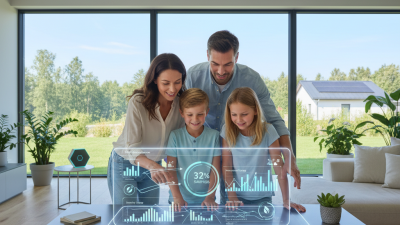
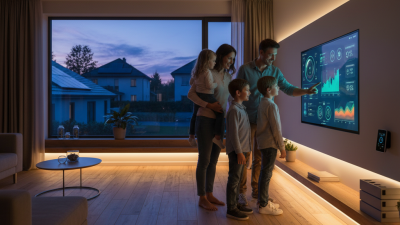
The rise of the home energy management system (HEMS) marks a pivotal shift towards sustainable living. As climate change concerns escalate, homeowners seek innovative ways to reduce energy consumption. A HEMS allows users to monitor and control energy usage in real time.
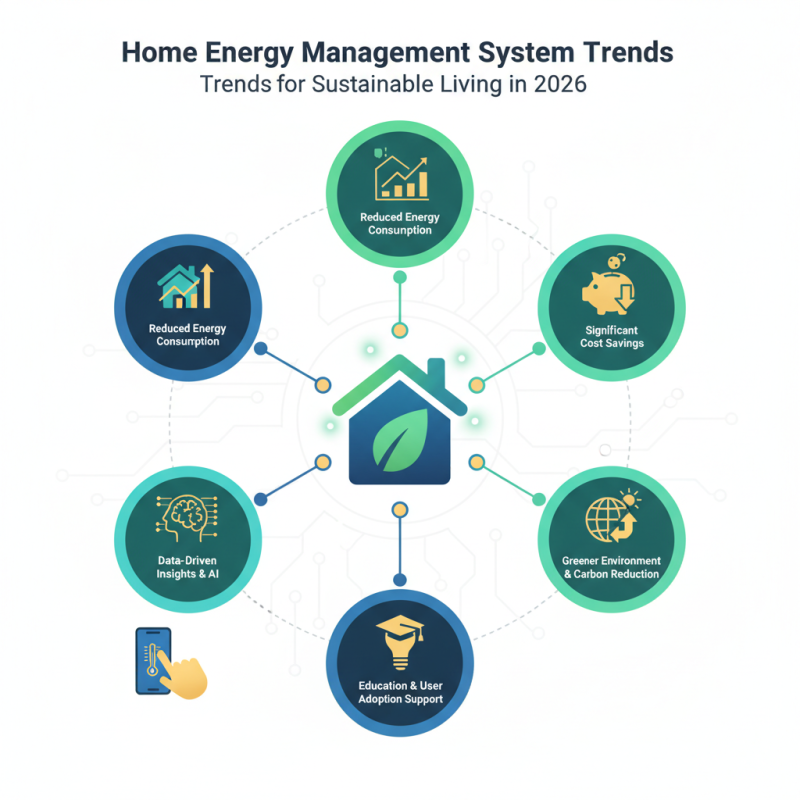
With smart devices integration, these systems provide data-driven insights. Homeowners can adjust their energy habits based on usage patterns. This shift is not only about efficiency; it’s about creating a sustainable lifestyle. However, implementing these systems isn’t without challenges. Some users struggle to understand complex interfaces. Others may find initial costs a barrier to entry.
Despite these obstacles, the potential benefits are significant. A well-implemented HEMS can lead to drastic reductions in energy bills. It also promotes a greener environment. As we look ahead to 2026, these trends highlight the growing importance of HEMS in achieving sustainable living. However, ongoing education and support are crucial to ensure widespread adoption.
Emerging Technologies in Home Energy Management Systems for 2026
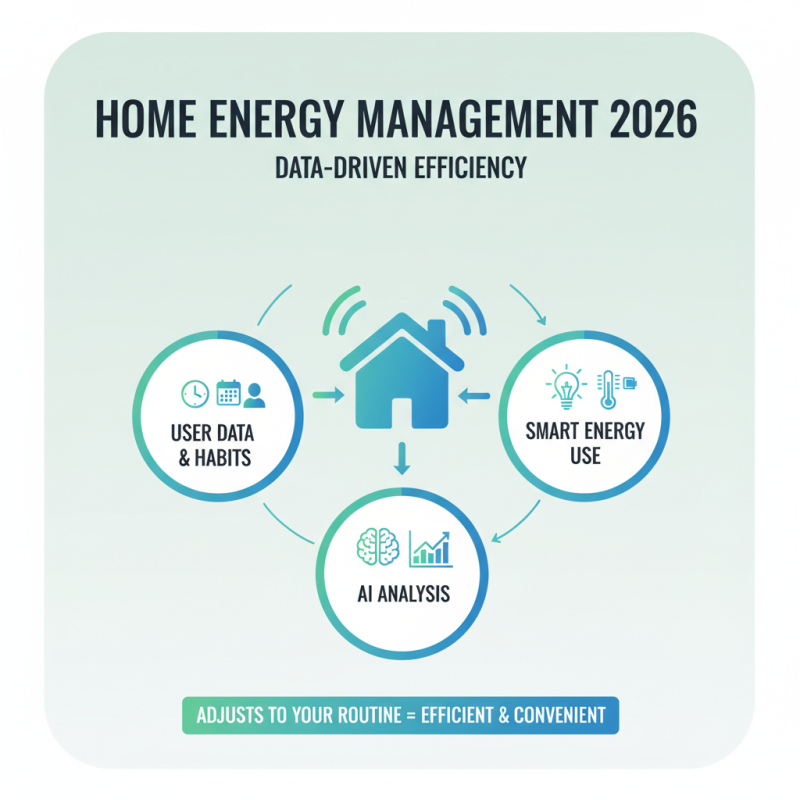
As we approach 2026, home energy management systems are evolving to support sustainable living. New technologies focus on energy efficiency and renewable resources. One exciting development is the integration of artificial intelligence. AI can analyze household energy use patterns, reducing wasteful habits. This promotes mindful consumption, making users more aware of their impact.
Another trend is the rise of smart home devices. These devices allow real-time monitoring of energy consumption. They can automatically adjust settings to save power. For example, smart thermostats learn your schedule and optimize heating and cooling. However, there is a challenge. Not all users are comfortable with smart technology. Some may feel overwhelmed by the complexity, making it essential for solutions to remain user-friendly.
Additionally, decentralized energy solutions gain traction. Solar panels combined with battery storage pave the way for energy independence. Homeowners can produce, store, and manage their energy. This shift is promising but not without flaws. Initial investment costs can be high, and not every home is suitable for solar energy. Some homeowners may hesitate due to aesthetic concerns or installation hassles. Addressing these reflections will be key for the successful adoption of these technologies.
Integration of Renewable Energy Sources in Smart Homes
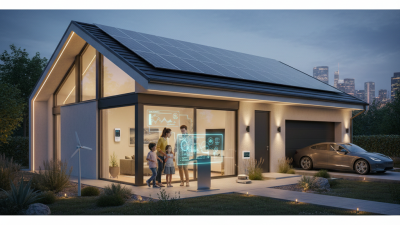
As more homeowners embrace sustainable living, integrating renewable energy sources in smart homes becomes crucial. Solar panels are still the most popular choice. They convert sunlight into electricity, reducing reliance on grid power. Wind turbines can also generate energy, especially in rural areas. These systems are becoming more affordable but still require significant upfront investment.
Energy storage is another key aspect. Home batteries store excess energy for later use. This flexibility allows homeowners to use solar energy at night. However, the technology is not yet perfect. Limited battery life and high costs can hinder widespread adoption. Homeowners may also need to rethink their energy consumption patterns.
Smart home technology plays a vital role here. Smart thermostats optimize energy use based on real-time data. Yet, not all homes are compatible with these systems. Homeowners might need to upgrade their infrastructure. In the quest for renewable energy integration, challenges remain. The journey toward a fully sustainable home is ongoing and requires continuous reflection on progress.
2026 Trends in Home Energy Management: Integration of Renewable Energy Sources
Data-Driven Approaches for Energy Efficiency and Management
In 2026, the focus on data-driven approaches for energy efficiency will dominate home energy management systems. These systems rely heavily on user data, analyzing patterns and habits. This insight leads to smarter energy usage. Imagine adjusting your heating based on your daily routine. It's efficient and convenient.
However, the reliance on data raises concerns. Privacy issues emerge as homes become more connected. Homeowners must be vigilant. Data breaches could expose sensitive information. Balancing efficiency and privacy is critical.
Additionally, some systems can misinterpret data. False readings may lead to wasted energy. It's essential for homeowners to be aware of these potential pitfalls. Adapting technology is necessary, but so is critical thinking. The road to sustainable living is fraught with challenges, but with caution, it can be navigated successfully.
Consumer Preferences: Shifts in Sustainable Living Practices
As consumers increasingly prioritize sustainability, their preferences are evolving. Many now seek home energy management systems that mirror their eco-friendly values. A focus on energy efficiency is running high on their lists. Users want systems that offer real-time monitoring and analytics. This gives them control over their energy consumption.
In the quest for sustainability, consumers are also expressing a desire for personalized solutions. Some seek user-friendly interfaces that anyone can understand. Others want options to integrate renewable energy sources seamlessly. However, many homeowners struggle with technical complexities. This inconsistency can create frustration and a reluctance to adopt these systems.
The shift in consumer preferences highlights a longing for both convenience and sustainability. Yet, there remains a gap in meeting these needs. Sustainability efforts should cater to diverse lifestyles and financial capacities. Only then can we hope to foster a more widespread adoption of sustainable practices in home energy management. Consumer feedback can be invaluable in this journey forward.
2026 Top Home Energy Management System Trends for Sustainable Living
| Trend |
Description |
Consumer Preference (%) |
Expected Growth (2026) |
| Smart Energy Monitoring |
Real-time tracking of energy consumption & suggestions for reduction. |
68% |
45% |
| Home Automation Integration |
Connecting devices for optimized energy usage and control. |
72% |
50% |
| Renewable Energy Adoption |
Increasing use of solar, wind, and other renewable sources. |
75% |
60% |
| Energy Storage Solutions |
Battery systems for storing energy for later use. |
66% |
40% |
| Sustainability-Driven Products |
Increase in demand for eco-friendly home appliances. |
70% |
55% |
Regulatory Policies Promoting Home Energy Management Innovations
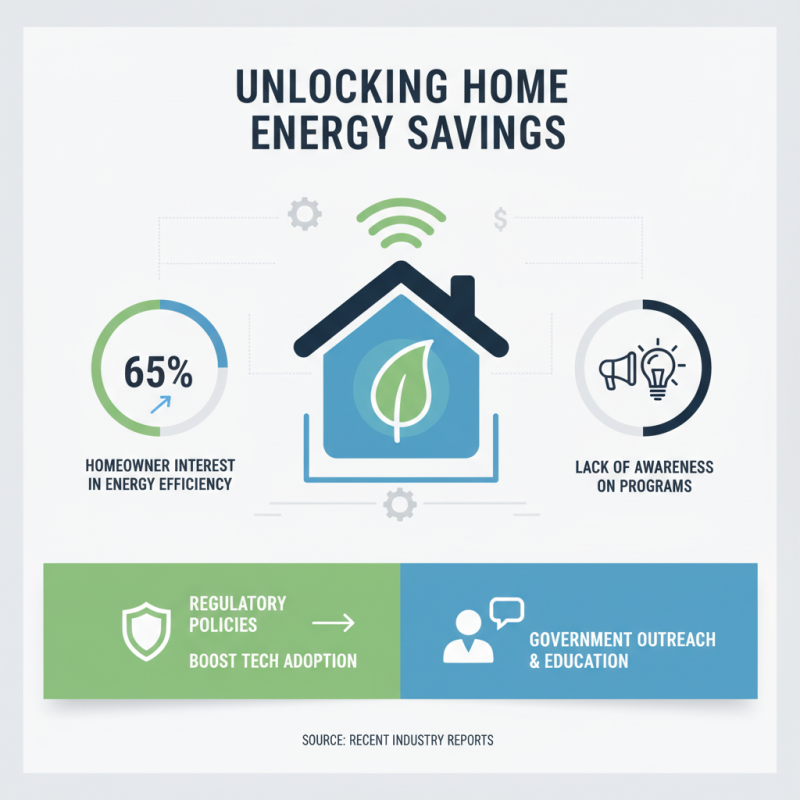
Regulatory policies are key to boosting home energy management technologies. Recent reports indicate that 65% of homeowners show a growing interest in energy-efficient solutions. However, many lack awareness of available programs. Governments need to improve outreach and education.
Incentives play a critical role. For instance, tax credits and rebates encourage homeowners to adopt smart technologies. The U.S. Department of Energy estimates that for every $1 invested in energy efficiency, consumers save $4 on energy costs. Yet, implementation can be slow. Delays in policy updates often hinder innovation.
Data from the International Energy Agency shows that regulations can increase renewable energy adoption by 20% within five years. However, inconsistent regulations across states create confusion. Homeowners may abandon energy management systems due to unclear benefits. A coherent framework is essential. It must empower consumers and stimulate market growth.