Eco Energies

2026 Best Solar Electricity System for Home and Business?

Choosing the right solar electricity system in 2026 will require more than comparing panel prices. Homeowners and business operators must examine energy demand, roof conditions, local weather, battery needs, and installation quality. A system that performs well on a sunny suburban roof may underperform beside a shaded warehouse.

Fatih Birol, Executive Director of the International Energy Agency, described solar power as “the new king of electricity markets.” His statement reflects solar’s growing influence, but it does not mean every system is automatically suitable. Real buildings differ.

This guide will compare current solar electricity system options for homes and businesses. It will consider monocrystalline panels, hybrid inverters, battery storage, monitoring software, and backup performance. It will also discuss practical details, including roof orientation, cable routes, electrical capacity, and maintenance access.

The best choice depends on the building.

For a family home, daytime usage, evening demand, and battery size can change the financial outcome. A business may benefit from matching solar production with refrigeration, machinery, or office loads. Installation records, product warranties, certifications, and installer experience deserve equal attention.

However, estimates are never perfect. Trees grow, electricity rates change, and batteries gradually lose capacity. A careful buyer should question optimistic payback promises and request production assumptions in writing. Small details matter.

This introduction sets the direction for evaluating the 2026 best solar electricity system without treating one technology as universally superior. Reliable decisions require measured data, professional design, and realistic expectations.
2026 Best Solar Electricity System for Home and Business?

Solar Electricity Systems: Definition, Components, and Operating Principles

2026 Best Solar Electricity System for Home and Business?

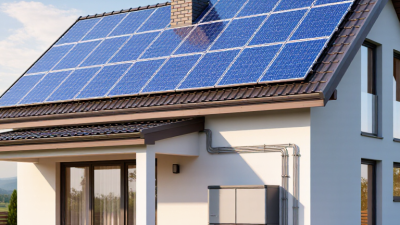
Solar electricity systems convert sunlight into usable electrical power. It starts with sunlight. Photovoltaic modules produce direct current when light reaches their semiconductor cells. An inverter then changes that current into alternating current for household appliances, machinery, and lighting.

A complete system includes modules, mounting rails, wiring, disconnects, surge protection, and monitoring equipment. Many homes add batteries to store daytime production for evening use. Businesses may choose larger battery banks, energy meters, and load controls to reduce demand during expensive periods. Grid-connected systems can exchange electricity with the utility, while off-grid systems require careful storage and backup planning.

Sizing depends on roof direction, shading, local weather, electricity demand, and available space. A professional assessment should examine twelve months of utility bills and inspect the roof structure. Safety checks must follow local electrical codes and approved installation practices. My first sizing estimate would often look convincing until air-conditioning loads or winter shadows appeared. Reality is messier. A system that works well on paper may perform poorly beside a tall building.

Reliable design also requires correct cable sizing, grounding, ventilation, and battery temperature control. Monitoring software can reveal falling output, but it cannot repair a loose connection. Property owners should request production estimates, equipment warranties, maintenance procedures, and clear emergency shutdown instructions. Independent inspection is valuable, especially when a system supplies both living spaces and commercial equipment.

2026 Best Solar Electricity System for Home and Business?

Estimated Annual Electricity Generation by Solar PV System Size

This chart estimates annual electricity generation for common solar photovoltaic system sizes using a 15% capacity factor. The calculation is based on nominal system capacity × 8,760 hours × 15%. Actual production depends on sunlight conditions, installation angle, shading, temperature, system losses, and local climate.

How to Assess Solar Power Needs for Homes and Businesses

Assessing solar power starts with measured demand, not roof size. Collect twelve months of electricity bills and note seasonal changes. Review daily usage, peak demand, and unusual equipment loads. A family using air conditioning all summer needs a different system from a small, efficient apartment. Do not trust one sunny afternoon.

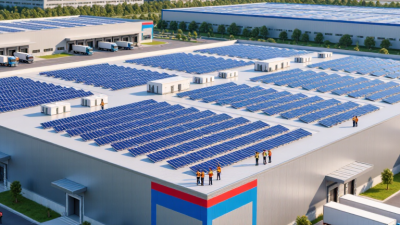
For businesses, timing matters more than annual consumption alone. A bakery may draw heavily before sunrise, while an office peaks after daylight begins. Compare operating hours with expected solar production. Smart meters or interval data can reveal expensive demand spikes that monthly bills hide.

Check roof direction, usable area, structural condition, and nearby shade. A chimney, tree, or neighboring building can reduce output during critical hours.

Battery storage requires separate thinking. It may support evening use, backup needs, or demand control, but its cost and replacement schedule affect the decision. Consider energy efficiency before adding panels. Efficient lighting and better cooling can shrink the required system.

A qualified solar professional should model local weather, roof angles, electricity rates, and future expansion. Ask for the assumptions behind every estimate. Perfect predictions do not exist. Real weather is messier than a spreadsheet. A slightly conservative design may be easier to operate, though it can leave some roof space unused. Grid connection rules, electrical safety requirements, and permits must also be verified locally.

Comparing Grid-Tied, Off-Grid, and Hybrid Solar Systems

For 2026, the best solar electricity system depends on how your home or business uses power. A grid-tied system sends excess generation to the utility network and usually costs less than battery-based designs. It suits properties with reliable grid service, daytime solar production, and clear export rules. However, it normally stops during an outage unless paired with approved backup equipment. That detail is often missed.

An off-grid system works independently, using batteries, inverters, and sometimes a backup generator. It can serve remote homes, farms, and small facilities where grid connection is expensive. Yet winter clouds, battery aging, and sudden motor loads demand careful sizing. A system designed from one sunny month may fail in January.

Hybrid systems combine grid access with solar storage and backup controls. They can keep refrigerators, pumps, or network equipment running during outages, while reducing evening grid purchases. Batteries add cost.

In practice, I would review twelve months of electricity bills, hourly loads, roof shading, and outage history. A qualified installer should calculate usable battery capacity, inverter surge power, cable protection, and ventilation requirements. Local permitting and interconnection rules also affect the design. Do not judge systems by panel capacity alone. A smaller hybrid setup may outperform a larger grid-tied array when evening demand is high. Still, battery replacement schedules and emergency procedures deserve honest discussion before signing a contract.

Key Criteria for Choosing the Best Solar System in 2026

2026 Best Solar Electricity System for Home and Business?

The best solar system in 2026 should match actual electricity use, not just roof size. Review twelve months of utility bills and identify daily peaks, such as air-conditioning or factory equipment. A professional site assessment should check roof direction, shading, structural strength, wiring, and local permitting requirements. Small details matter. A chimney can reduce winter output noticeably.

Compare panel efficiency, inverter performance, battery capacity, degradation rates, monitoring tools, warranty terms, and service response times. For businesses, evaluate demand charges, operating hours, backup needs, and future equipment expansion.

Homes may value quiet operation and evening energy storage more highly. Safety certifications and documented installation experience are essential. Cheap equipment can become expensive when replacement access is poor.

Tips:

Ask for a production estimate based on local weather data, not perfect sunshine. Request itemized costs and written warranty responsibilities. Check whether the installer can explain emergency shutdown procedures clearly. Oversizing the battery may feel sensible, but it can waste money when evening consumption is low. I would also question optimistic payback claims; tariffs, maintenance, and panel aging can change the calculation. No option is perfect. A reliable choice is the one that remains practical after careful measurement and honest assumptions.

Installation, Maintenance, Costs, and Long-Term Performance

Choosing a solar electricity system for a home or business starts with the site, not the sales brochure. A qualified installer should inspect the roof, wiring, shade patterns, local weather, and daily load profile. Experienced installers often request twelve months of utility bills. They also identify heavy loads, such as pumps, heaters, and refrigeration. The array needs a practical orientation and safe access for future work. A rushed installation can cause leaks, loose cables, or poor production. That mistake is expensive.

Installation costs include equipment, labor, permits, structural work, and grid connection fees. Ask for a written estimate with production assumptions, payment stages, warranties, and exclusions. Compare expected energy savings with financing charges and possible repair costs. Battery storage may improve resilience, but it adds complexity and replacement expense. Do not size it only for dramatic outages. Study ordinary evening demand. Small details matter.

Maintenance is usually modest, yet it is not zero. Remove heavy dust, leaves, and bird debris after dry weather. A technician should check connections, mounting hardware, inverter readings, and battery ventilation. Monitoring software can reveal sudden production drops, although sensors sometimes misreport. Verify unusual readings onsite before approving repairs. Long-term performance depends on heat, shading, component quality, and changing energy use. A growing business may outlive its original system design. Review output annually, and question optimistic forecasts when conditions change.